


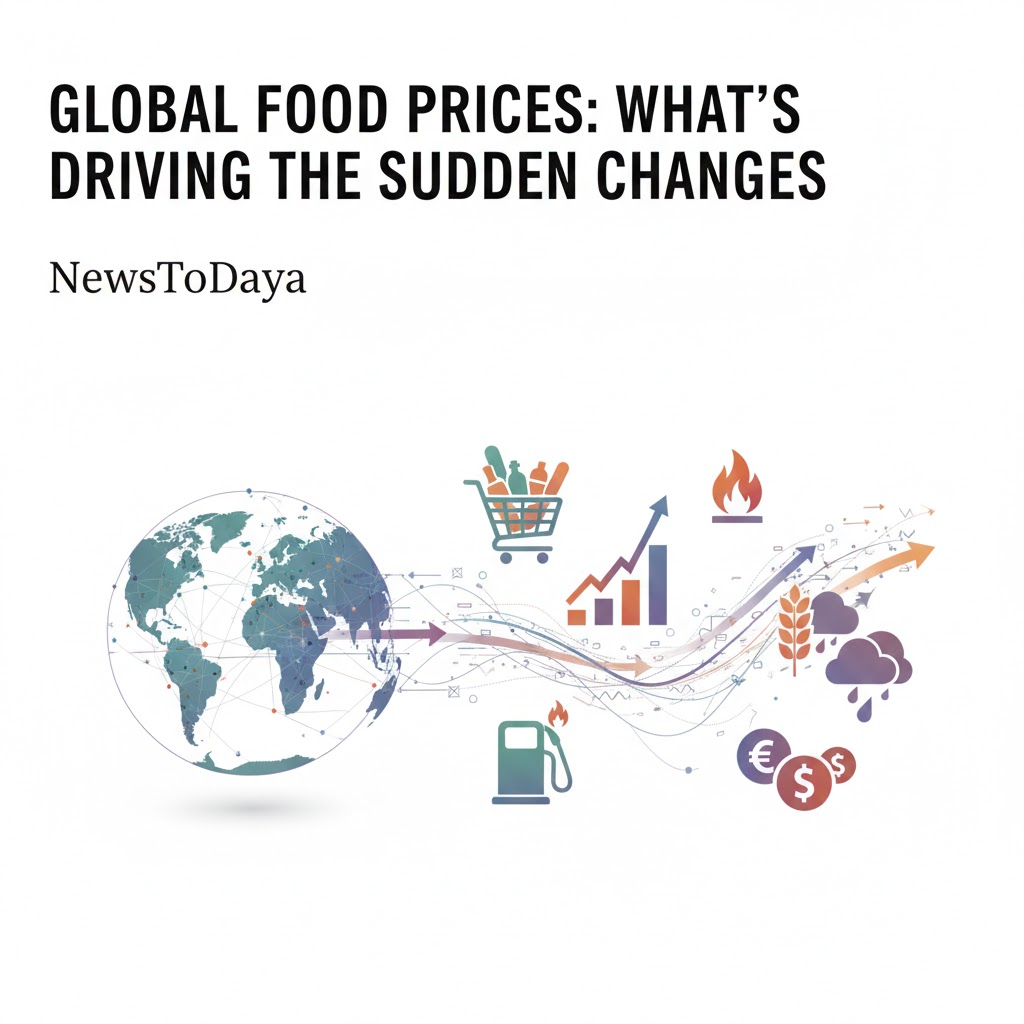
Global food prices have been experiencing sudden and noticeable changes, affecting households, businesses, and governments across the world. From rising grocery bills to supply shortages, food costs have become a major concern for consumers everywhere. These fluctuations are not caused by a single factor but are the result of multiple global forces acting together. Understanding what is driving these sudden changes helps explain why food prices remain unstable and what the future may look like.
Climate Change and Extreme Weather Impact
One of the strongest drivers of changing global food prices is climate change. Extreme weather events such as droughts, floods, heatwaves, and storms are disrupting agricultural production in many regions. Crops fail when rainfall patterns shift unexpectedly or when temperatures rise beyond normal levels. Farmers face reduced yields, and lower supply directly pushes food prices upward. Climate-related damage also affects livestock farming, fisheries, and food storage systems, increasing costs across the entire food chain.
Rising Costs of Agricultural Inputs
The cost of producing food has increased significantly. Fertilizers, animal feed, seeds, fuel, and electricity are more expensive than in previous years. Farmers are forced to spend more to maintain production levels, and these higher costs are passed on to consumers. Fertilizer prices, in particular, have seen sharp increases due to energy costs and supply disruptions. When production becomes more expensive, food prices naturally rise at the global level.
Supply Chain Disruptions Worldwide
Global food supply chains are complex and highly interconnected. Disruptions at any point can affect prices everywhere. Transportation delays, port congestion, labor shortages, and rising shipping costs have made it harder to move food efficiently. Even when food production remains stable, logistical challenges can reduce availability in markets. These disruptions create uncertainty, leading to price volatility and sudden spikes in food costs.
Geopolitical Tensions and Trade Restrictions
Political conflicts and international tensions play a major role in global food price changes. Trade restrictions, sanctions, and export bans limit the flow of essential food commodities. When major exporting countries restrict supplies, global markets react quickly. Prices rise due to fears of shortages, even if actual production levels have not fallen dramatically. Geopolitical uncertainty also affects investor confidence, further contributing to price instability.
Currency Fluctuations and Inflation Pressure
Currency value changes significantly influence global food prices. When a country’s currency weakens, importing food becomes more expensive. This is especially challenging for nations that rely heavily on food imports. Inflation adds another layer of pressure by increasing overall costs in the economy. Rising inflation reduces purchasing power, making food feel more expensive even when price increases are moderate.
Growing Global Demand for Food
The world’s population continues to grow, increasing overall demand for food. At the same time, dietary habits are changing in many developing economies. Rising incomes are leading to higher consumption of meat, dairy, and processed foods, which require more resources to produce. As demand increases faster than supply in certain regions, prices respond accordingly. This demand-driven pressure contributes to long-term price changes rather than short-term fluctuations alone.
Energy Prices Influencing Food Costs
Energy prices have a direct impact on food production and distribution. Agriculture relies heavily on fuel for machinery, irrigation, transportation, and processing. When oil and gas prices rise, the cost of growing and transporting food increases. Energy costs also affect fertilizer production, which depends on natural gas. As energy prices fluctuate, food prices often follow the same trend.
Government Policies and Market Interventions
Government decisions can influence food prices both positively and negatively. Subsidies, price controls, export restrictions, and stockpiling strategies all shape market behavior. While some policies aim to protect consumers, others can unintentionally reduce supply or distort markets. Sudden policy changes create uncertainty, leading to rapid price movements in global food markets.
Labor Shortages in Agriculture and Processing
Many countries are facing labor shortages in farming and food processing industries. Aging populations, migration challenges, and changing workforce preferences have reduced the availability of agricultural labor. Labor shortages slow down harvesting, processing, and distribution, reducing supply and increasing costs. Higher wages needed to attract workers further contribute to rising food prices.
Impact on Developing and Low-Income Countries
Sudden changes in global food prices hit developing and low-income countries the hardest. A large portion of household income in these regions is spent on food. Price increases can lead to food insecurity, malnutrition, and social unrest. Governments in affected regions often struggle to balance affordability with market stability, making the situation even more complex.
How Businesses and Consumers Are Responding
Food companies are adjusting by optimizing supply chains, exploring alternative sourcing, and investing in technology to improve efficiency. Consumers, on the other hand, are changing buying habits by reducing waste, choosing local products, and seeking affordable alternatives. These behavioral changes can influence demand patterns and slightly ease pressure on prices over time.
Long-Term Outlook for Global Food Prices
The future of global food prices remains uncertain. While technological advancements and sustainable farming practices offer hope, ongoing climate risks, geopolitical tensions, and economic pressures suggest continued volatility. Stability will depend on global cooperation, investment in resilient agriculture, and balanced trade policies.
Conclusion
Global food prices are changing suddenly due to a combination of environmental, economic, political, and social factors. Climate change, rising production costs, supply chain disruptions, and growing demand are all contributing to this complex issue. Understanding these drivers helps explain why food prices are unlikely to stabilize quickly. As the world adapts to these challenges, both policymakers and consumers will play a role in shaping the future of global food security.
Published by NewsToDaya – visit for all over world news update 🙂