


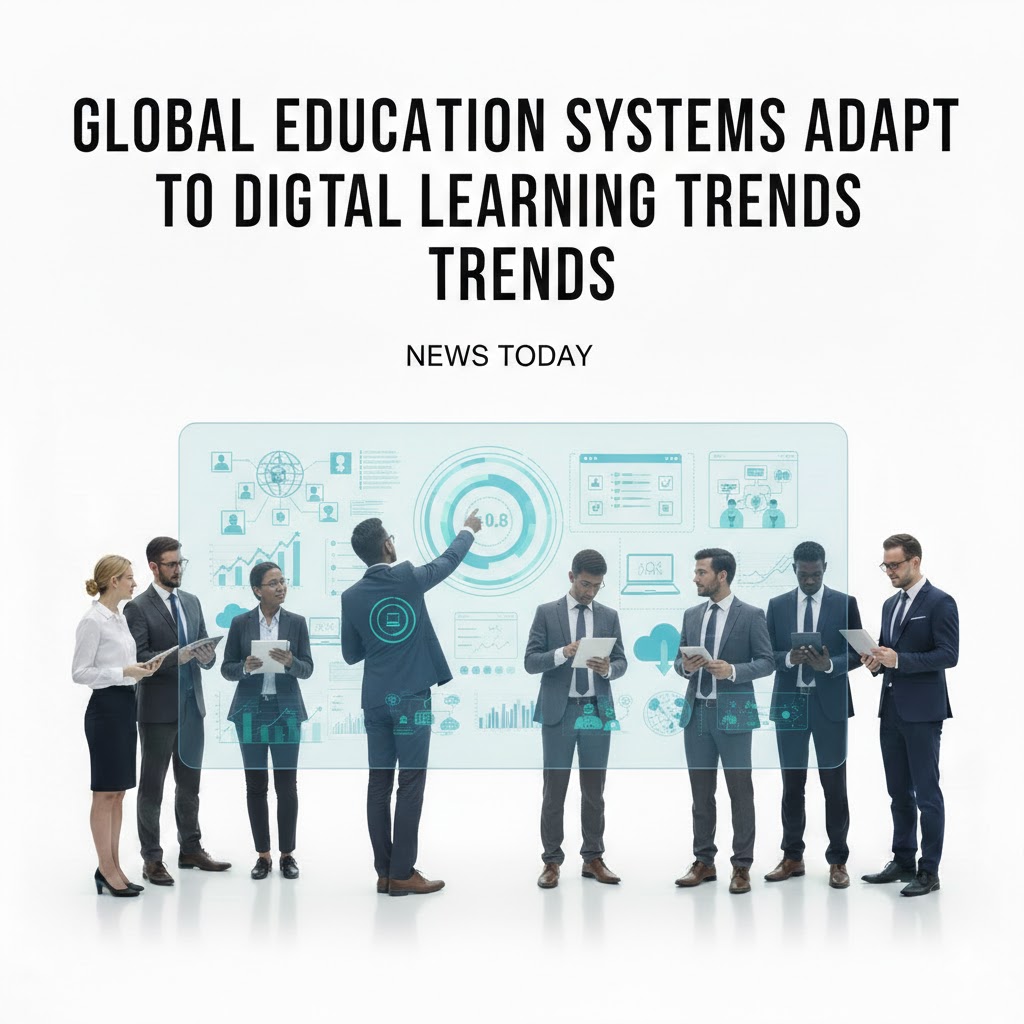
Education systems around the world are undergoing a significant transformation. Driven by rapid technological advancement, changing workforce demands, and lessons learned from global disruptions, digital learning is no longer an optional add-on. It has become a core pillar of modern education. From primary schools to universities and professional training institutes, nations are rethinking how knowledge is delivered, accessed, and assessed in a digital-first world.
This shift is not limited to developed countries. Emerging economies are also embracing digital education to bridge gaps in access, quality, and scalability. As governments, institutions, and educators adapt, digital learning trends are reshaping the future of education on a truly global scale.
The Rise of Digital-First Education Models
Traditional classroom-based education has long been the standard, but it comes with limitations. Physical infrastructure, geographic barriers, and rigid schedules often restrict access to learning opportunities. Digital education models address many of these challenges by offering flexible, scalable, and inclusive alternatives.
Online classrooms, virtual labs, and cloud-based learning platforms allow students to access educational content anytime and anywhere. This flexibility has proven especially valuable for working professionals, students in remote regions, and learners with disabilities. As internet penetration improves worldwide, digital-first education is becoming more practical and widespread.
Many institutions now adopt blended learning models, combining in-person instruction with digital tools. This approach enhances engagement while preserving the benefits of face-to-face interaction. The result is a more adaptive learning environment that can respond quickly to changing circumstances.
Technology as a Catalyst for Change
Technology lies at the heart of digital learning trends. Learning management systems, video conferencing tools, artificial intelligence, and data analytics are redefining how education is delivered and evaluated.
Artificial intelligence plays a growing role in personalized learning. Adaptive platforms analyze student behavior and performance to tailor lessons according to individual needs. This personalization helps learners progress at their own pace, improving comprehension and retention.
Virtual and augmented reality technologies are also gaining traction, particularly in science, medicine, and technical education. These tools allow students to simulate real-world scenarios, making complex concepts easier to understand through immersive experiences.
Cloud computing ensures that educational resources are easily accessible and continuously updated. This reduces costs for institutions and ensures learners receive current, relevant information.
Expanding Access and Reducing Inequality
One of the most significant benefits of digital learning is its potential to reduce educational inequality. In many parts of the world, access to quality education is limited by location, economic status, or lack of infrastructure. Digital platforms help overcome these barriers by bringing education directly to learners.
Open online courses and digital libraries provide free or low-cost access to high-quality content from leading institutions. Students who previously lacked opportunities can now learn from global experts without relocating or incurring high expenses.
Governments and non-profit organizations are increasingly investing in digital education initiatives aimed at underserved communities. These programs focus on improving connectivity, providing affordable devices, and training teachers to use digital tools effectively.
By expanding access, digital learning supports social mobility and empowers individuals with the skills needed to participate in a globalized economy.
Changing Roles of Educators
As education systems adapt to digital trends, the role of educators is evolving. Teachers are no longer just content providers; they are facilitators, mentors, and designers of learning experiences.
Digital tools allow educators to track student progress more accurately and identify areas where additional support is needed. This data-driven approach enables timely interventions and more effective teaching strategies.
Professional development has become essential as teachers learn to integrate technology into their instruction. Many institutions now offer training programs focused on digital pedagogy, instructional design, and online assessment methods.
Rather than replacing teachers, digital learning enhances their ability to engage students and deliver meaningful education in diverse contexts.
Assessment and Credentialing in the Digital Age
Assessment methods are also changing in response to digital learning trends. Traditional exams are increasingly supplemented or replaced by online quizzes, project-based evaluations, and continuous assessment models.
Digital assessments offer immediate feedback, helping students understand their strengths and areas for improvement. They also reduce administrative burdens for institutions and improve transparency in grading.
Micro-credentials and digital certificates are gaining popularity as alternatives to traditional degrees. These credentials focus on specific skills and competencies, making them attractive to employers and learners seeking targeted education.
As lifelong learning becomes more important, flexible credentialing systems allow individuals to upskill and reskill throughout their careers.
Global Collaboration and Knowledge Sharing
Digital learning has made global collaboration easier than ever before. Students and educators can connect across borders, sharing knowledge, perspectives, and best practices.
International virtual classrooms foster cultural exchange and prepare learners for global citizenship. Collaborative projects involving participants from different countries help develop communication, teamwork, and problem-solving skills.
Educational institutions also benefit from global partnerships. By sharing digital resources and expertise, they can improve quality while reducing duplication of effort.
Platforms like NewsToDaya play an important role in highlighting these global education trends, offering readers insights into how different regions are adapting and innovating.
Challenges Facing Digital Education
Despite its many advantages, digital learning also presents challenges. Access to reliable internet and digital devices remains uneven, particularly in low-income regions. Without addressing this digital divide, inequalities may persist or even widen.
Data privacy and cybersecurity are growing concerns as more educational activities move online. Protecting student information and ensuring secure platforms are critical for maintaining trust in digital systems.
Student engagement can also be a challenge in online environments. Without proper design and support, learners may feel isolated or unmotivated. Successful digital education requires interactive content, strong community building, and ongoing support.
Governments and institutions must address these challenges through thoughtful policies, investment, and collaboration with technology providers.
The Future of Global Education
Looking ahead, digital learning is expected to play an even larger role in global education systems. Hybrid models will likely become the norm, blending the strengths of traditional and digital approaches.
Artificial intelligence and data analytics will continue to improve personalization and learning outcomes. Emerging technologies will further enhance immersive and experiential learning.
Most importantly, education systems will increasingly focus on adaptability. As industries evolve and new skills emerge, digital learning provides the flexibility needed to respond quickly to changing demands.
NewsToDaya continues to track these developments, offering global perspectives on how education systems are preparing learners for the future.
Conclusion
Global education systems are at a turning point. Digital learning trends are reshaping how knowledge is delivered, accessed, and valued. While challenges remain, the benefits of flexibility, accessibility, and personalization are driving widespread adoption.
By embracing digital innovation thoughtfully and inclusively, education systems can better serve learners of all ages and backgrounds. As the world becomes more interconnected, digital education stands as a powerful tool for building a more skilled, informed, and equitable global society.