


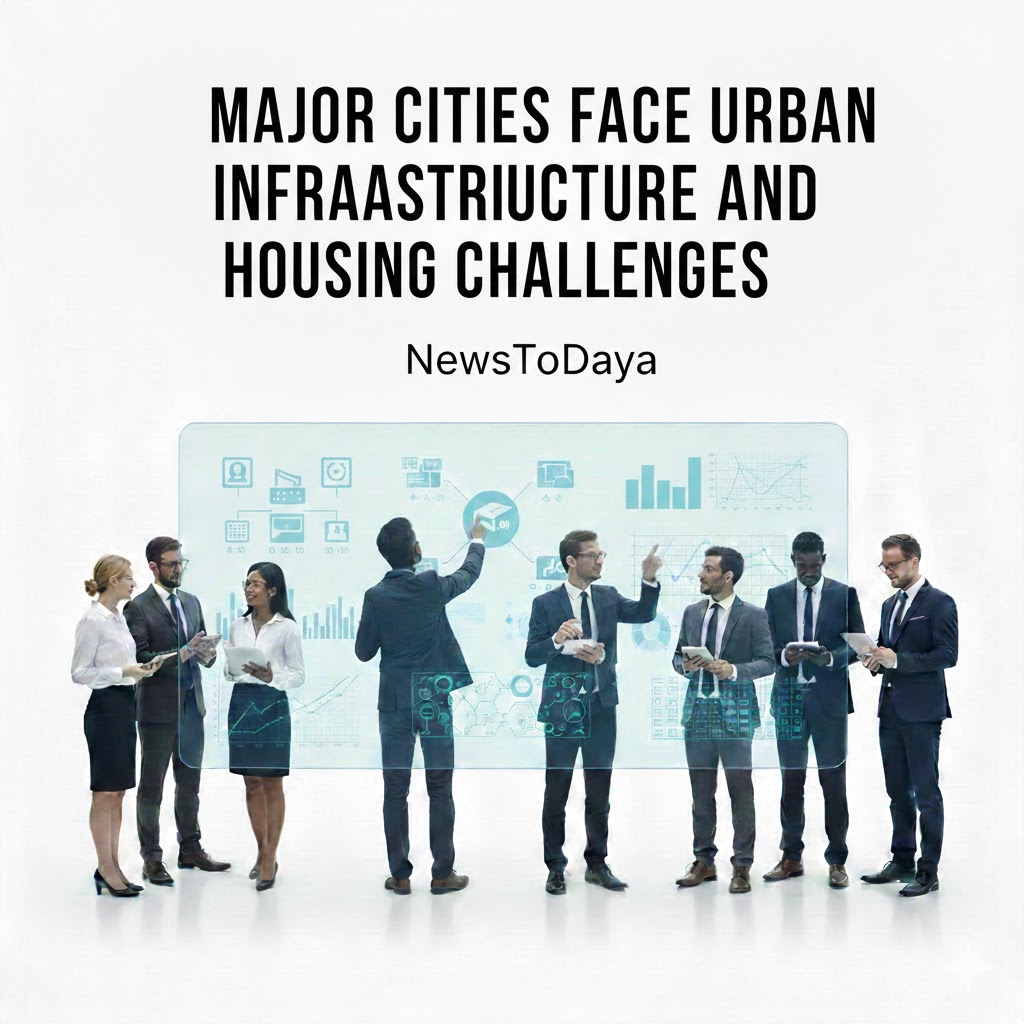
Across the world, major cities are growing faster than ever before. Urban areas attract people with promises of better jobs, education, healthcare, and lifestyle opportunities. However, this rapid growth has also exposed deep structural issues. From overcrowded housing to aging infrastructure, cities are struggling to keep pace with the demands of expanding populations. These challenges are no longer limited to developing nations; even some of the most advanced cities are grappling with similar pressures.
As global urbanization accelerates, the need for sustainable planning and long-term investment has become urgent. This issue has gained widespread attention among policymakers, urban planners, economists, and citizens alike, making it one of the most critical global concerns today.
Rapid Urbanization And Population Pressure
One of the biggest reasons behind infrastructure and housing challenges is rapid urban migration. Millions of people move to cities every year in search of employment and better living standards. While this migration fuels economic growth, it also puts immense strain on existing systems.
Public transport networks become overcrowded, water and sanitation systems struggle to meet demand, and electricity grids face constant pressure. Housing shortages worsen as demand outpaces supply, pushing property prices and rents beyond the reach of average citizens. In many cities, this has led to the expansion of informal settlements, where basic services are limited or nonexistent.
Urban population growth is expected to continue for decades, making it clear that short-term solutions are no longer enough. Cities need comprehensive strategies that address both current needs and future expansion.
Aging Infrastructure In Major Cities
Many global cities rely on infrastructure that was built decades ago, often for much smaller populations. Roads, bridges, railways, and drainage systems are deteriorating due to overuse and lack of maintenance. In some cities, frequent water leaks, power outages, and transport delays have become part of daily life.
The cost of repairing or replacing aging infrastructure is enormous. Governments often face budget constraints, forcing them to prioritize urgent fixes rather than long-term upgrades. As a result, infrastructure problems continue to accumulate, increasing the risk of large-scale failures.
Climate change has further intensified these issues. Extreme weather events such as floods, heatwaves, and storms expose weaknesses in outdated systems, causing disruptions that affect millions of residents.
Housing Shortages And Affordability Crisis
Housing is at the center of urban challenges. In many cities, there simply are not enough homes to meet demand. Limited land availability, strict zoning laws, and slow construction processes contribute to supply shortages.
At the same time, real estate has increasingly become an investment asset rather than a basic necessity. Wealthy investors and corporations often buy properties, driving up prices and reducing availability for local residents. This has created a housing affordability crisis, where middle- and low-income families struggle to find suitable places to live.
In response, some cities have introduced rent controls, affordable housing quotas, and subsidies. While these measures provide temporary relief, they often fail to address the root causes of housing shortages. Without large-scale planning and investment, the gap between housing demand and supply continues to widen.
Transportation And Mobility Challenges
Urban transportation systems are another area under significant strain. Traffic congestion has reached critical levels in many cities, leading to lost productivity, increased pollution, and declining quality of life. Public transport systems, where available, are often overcrowded and underfunded.
Expanding road networks alone is no longer a viable solution. Cities are increasingly exploring alternatives such as metro expansions, bus rapid transit systems, cycling infrastructure, and pedestrian-friendly designs. However, implementing these projects requires time, funding, and political commitment.
The transition to sustainable mobility is essential not only for reducing congestion but also for lowering carbon emissions and improving public health.
Social Inequality And Urban Living Conditions
Infrastructure and housing challenges disproportionately affect vulnerable populations. Low-income communities are often pushed to city outskirts or informal settlements, far from job centers and essential services. This spatial inequality reinforces social and economic divides.
Limited access to quality housing, clean water, healthcare, and education reduces opportunities for upward mobility. Over time, these disparities can lead to social unrest, increased crime, and political instability.
Inclusive urban planning that prioritizes equitable access to services is critical. Cities must ensure that development benefits all residents, not just a privileged few.
Smart Cities And Technological Solutions
Technology is playing an increasingly important role in addressing urban challenges. Smart city initiatives use data, sensors, and digital platforms to improve infrastructure efficiency and service delivery. Examples include intelligent traffic management systems, energy-efficient buildings, and real-time monitoring of utilities.
While technology offers promising solutions, it is not a standalone fix. Successful implementation requires strong governance, data security measures, and public trust. Without careful planning, smart city projects risk deepening inequalities by favoring wealthier areas with better access to digital resources.
Balanced integration of technology with traditional infrastructure development is key to creating resilient cities.
Policy Reforms And Urban Planning Strategies
Experts agree that effective urban planning is essential to overcoming infrastructure and housing challenges. This includes revising zoning laws, encouraging mixed-use development, and promoting higher-density housing near transit hubs.
Public-private partnerships can help bridge funding gaps by attracting private investment into public projects. However, transparency and accountability are crucial to ensure that such partnerships serve the public interest.
Long-term planning must also account for environmental sustainability. Green spaces, renewable energy integration, and climate-resilient infrastructure are no longer optional but necessary components of modern urban development.
The Role Of Global Collaboration
Urban challenges are global in nature, and cities can learn from each other’s experiences. International cooperation allows governments to share best practices, funding models, and innovative solutions.
Organizations and global platforms play a vital role in facilitating this exchange of knowledge. Reliable global news platforms like NewsToDaya help highlight these issues, bringing attention to successful initiatives and ongoing struggles in cities around the world.
By staying informed through trusted sources such as NewsToDaya, readers can better understand how urban challenges evolve across different regions and what solutions are proving effective.
Looking Ahead
The challenges facing major cities are complex and interconnected. Infrastructure decay, housing shortages, transportation bottlenecks, and social inequality cannot be solved in isolation. They require coordinated efforts from governments, private sectors, communities, and global institutions.
While the scale of the problem is daunting, it also presents an opportunity. Cities that invest wisely in sustainable infrastructure and inclusive housing policies can become engines of innovation, resilience, and economic growth.
As urban populations continue to rise, the decisions made today will shape how billions of people live in the future. Addressing these challenges proactively is not just about improving cities, but about securing a better quality of life for generations to come.