


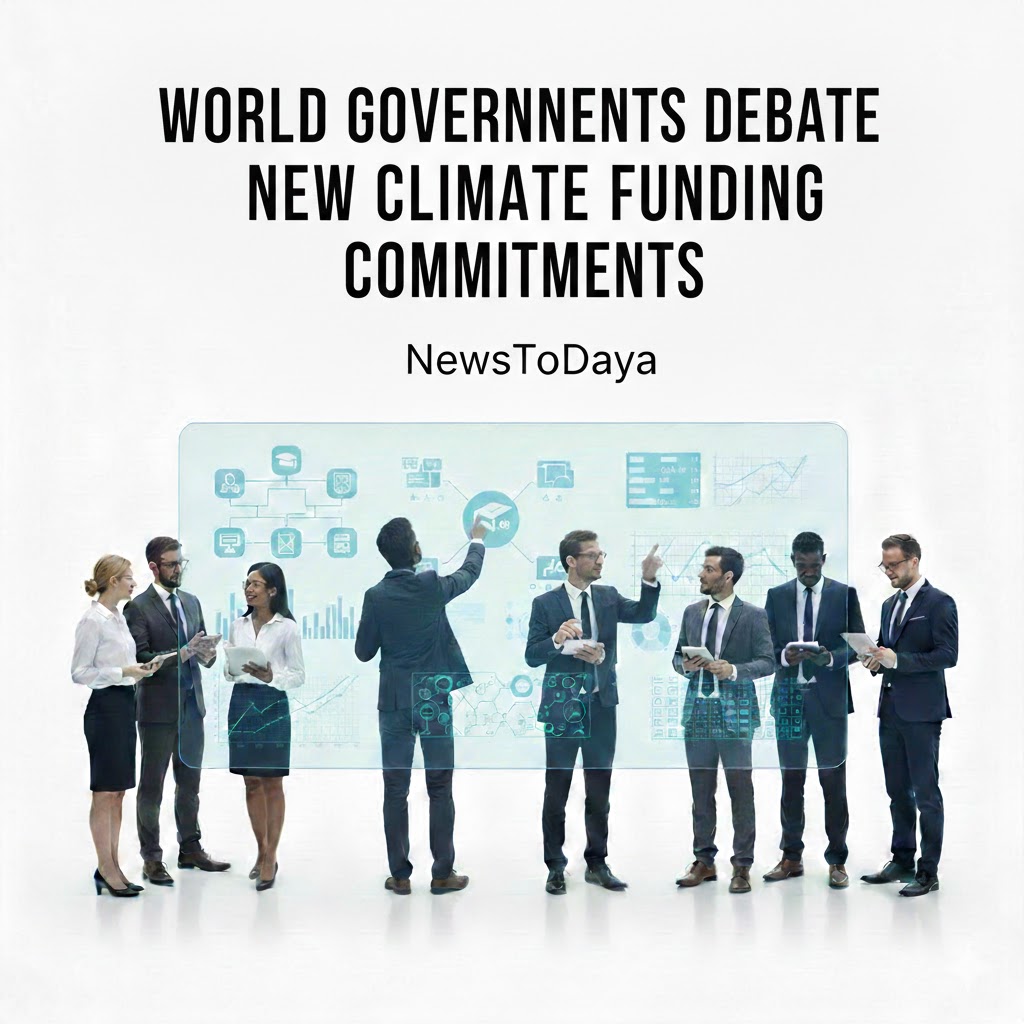
Climate change has moved from being a long-term environmental concern to an immediate global policy challenge. As extreme weather events intensify, sea levels rise, and ecosystems face unprecedented stress, governments across the world are under increasing pressure to act decisively. At the center of current international discussions is one critical issue: climate funding. World governments are actively debating new climate funding commitments, aiming to bridge the growing gap between climate goals and the financial resources required to achieve them.
The Growing Urgency of Climate Finance
Climate finance refers to local, national, or transnational funding drawn from public, private, and alternative sources to support mitigation and adaptation actions addressing climate change. Developing nations, in particular, argue that they are bearing the brunt of climate impacts despite contributing the least to global emissions. Floods, droughts, heatwaves, and food insecurity are disrupting economies and livelihoods, making financial support essential for resilience and recovery.
Over the past decade, global climate summits have repeatedly highlighted the need for wealthier nations to provide financial assistance to vulnerable countries. Earlier commitments, including the widely discussed pledge of mobilizing significant annual climate funds, have fallen short in delivery. This gap between promise and action has fueled frustration, especially among low-income and climate-vulnerable nations.
Key Issues Driving the Current Debate
The current debate on new climate funding commitments revolves around several major issues. One of the most contentious topics is responsibility. Developing countries emphasize the principle of historical responsibility, arguing that industrialized nations should contribute more due to their long-standing emissions. Developed countries, on the other hand, seek broader participation, including contributions from emerging economies that now account for a growing share of global emissions.
Another critical issue is the balance between mitigation and adaptation funding. While mitigation focuses on reducing emissions through renewable energy, clean technologies, and sustainable infrastructure, adaptation funding supports efforts to cope with existing climate impacts. Many developing nations argue that adaptation funding has been consistently underfunded, despite being essential for protecting communities already experiencing climate damage.
Transparency and accountability also play a central role. Governments and international organizations are under scrutiny to ensure that climate funds are distributed fairly, used effectively, and monitored properly. Without strong accountability mechanisms, trust between donor and recipient countries continues to erode.
Role of Developed Nations
Developed nations are facing mounting pressure to increase their financial commitments. Economic uncertainty, inflation, and domestic political challenges have made climate funding a sensitive topic in many countries. However, climate experts warn that delaying action will lead to higher long-term costs, both economically and environmentally.
Some governments are exploring innovative funding mechanisms, including climate bonds, carbon pricing revenues, and public-private partnerships. These approaches aim to mobilize private capital alongside public funding, reducing the burden on national budgets while scaling up climate investments.
Despite these efforts, critics argue that many funding pledges rely too heavily on loans rather than grants, increasing debt burdens for developing countries. This concern has intensified calls for climate finance to prioritize grants, particularly for adaptation and loss-and-damage support.
Perspectives From Developing Countries
For developing nations, climate funding is not just a policy discussion but a matter of survival. Many countries face escalating costs due to climate-related disasters that strain public finances and hinder development progress. Leaders from these regions emphasize that climate funding should be predictable, accessible, and aligned with local priorities.
Small island states and least-developed countries have been particularly vocal in demanding dedicated funding for loss and damage. This category addresses irreversible climate impacts such as land loss, displacement, and cultural heritage destruction. While some progress has been made in recognizing loss and damage as a funding priority, disagreements remain over its scale and implementation.
Developing nations also stress the importance of technology transfer and capacity building. Financial support alone is not enough; access to clean technologies and technical expertise is essential for long-term climate resilience.
Global Institutions and Multilateral Efforts
International financial institutions play a pivotal role in shaping climate funding frameworks. Multilateral development banks are under pressure to align their portfolios with climate goals and increase concessional financing for green projects. Reforms aimed at making these institutions more responsive and inclusive are gaining momentum.
Global climate funds are also being reviewed to improve efficiency and accessibility. Many recipient countries have raised concerns about complex application processes and slow disbursement timelines. Streamlining these systems is seen as critical to ensuring that funds reach those who need them most, when they need them.
Platforms like NewsToDaya continue to track these developments, providing global audiences with insights into how international negotiations translate into real-world impacts. As discussions evolve, transparent reporting plays a crucial role in holding stakeholders accountable.
The Private Sector and Climate Investment
Beyond governments, the private sector is increasingly recognized as a key player in climate finance. Investors are showing growing interest in sustainable projects, driven by both regulatory pressures and market opportunities. Renewable energy, electric mobility, climate-smart agriculture, and resilient infrastructure are attracting significant investment.
However, private capital often flows toward projects with clear returns, leaving adaptation and community-based initiatives underfunded. Governments are therefore exploring ways to de-risk investments through guarantees, blended finance models, and policy incentives. The success of these strategies will be critical in determining whether private finance can meaningfully complement public funding.
Political and Economic Challenges
Political dynamics significantly influence climate funding commitments. Changes in government, shifting public opinion, and geopolitical tensions can all disrupt funding priorities. In some countries, climate spending faces opposition from groups concerned about economic competitiveness or energy security.
At the same time, global economic challenges have tightened fiscal space for many governments. Rising debt levels and competing development needs make it harder to allocate substantial resources to climate finance. Yet experts argue that integrating climate considerations into economic planning can deliver long-term benefits, including job creation, energy security, and reduced disaster costs.
Looking Ahead
The debate over new climate funding commitments reflects a broader struggle to align global ambition with practical action. As climate impacts intensify, the cost of inaction continues to rise. Achieving meaningful progress will require compromise, innovation, and sustained political will.
Clear timelines, measurable targets, and inclusive decision-making processes are essential for rebuilding trust among nations. Equally important is ensuring that climate finance reaches vulnerable communities and supports both immediate needs and long-term development goals.
NewsToDaya will continue to monitor how these global debates unfold and what they mean for people, economies, and the planet. As world governments navigate complex negotiations, the decisions made today will shape the trajectory of global climate action for decades to come.