


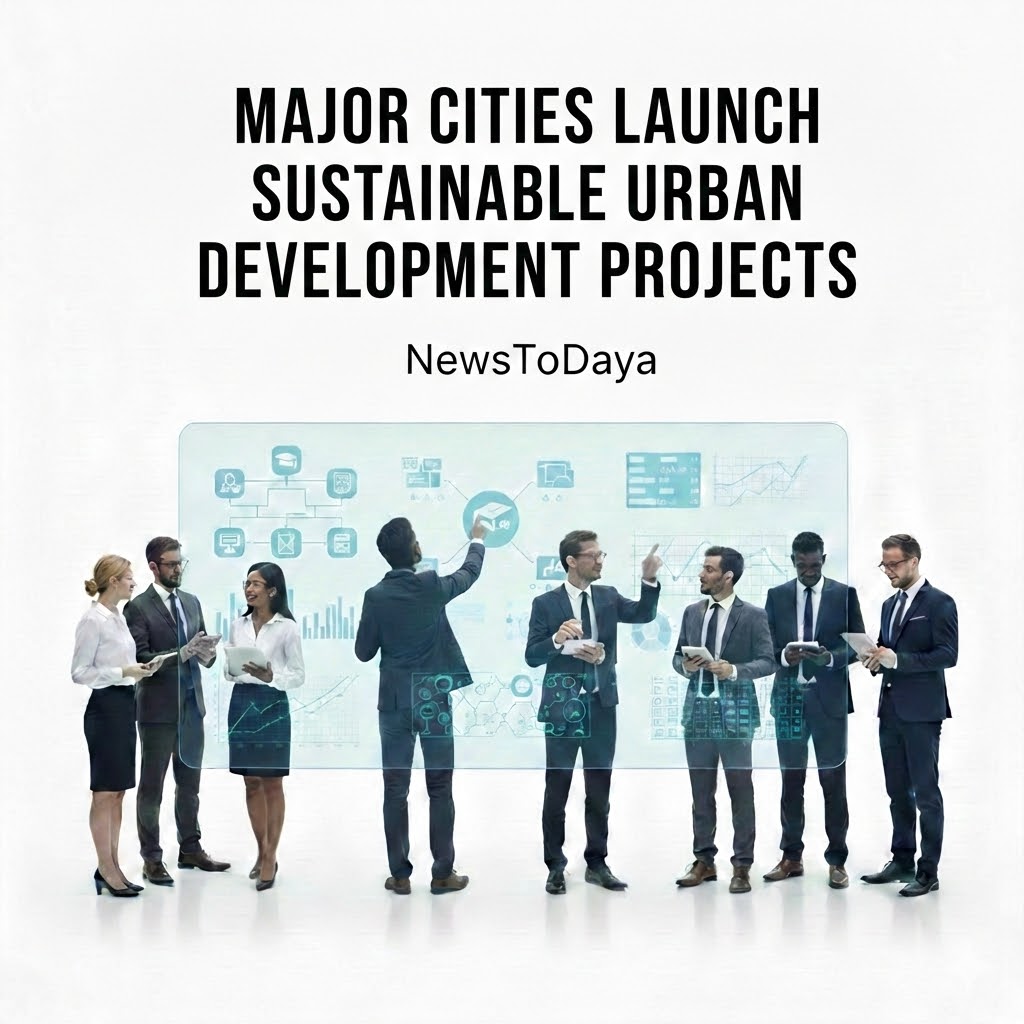
Across the world, major cities are redefining how urban spaces are planned, built, and managed. Rapid urbanization, climate change, population growth, and resource scarcity have forced governments and city planners to rethink traditional development models. As a result, sustainable urban development projects are emerging as a priority for cities aiming to balance economic growth with environmental responsibility and social well-being.
Urban areas now house more than half of the global population, and this figure is expected to rise steadily in the coming decades. Without sustainable planning, cities risk facing severe challenges such as pollution, traffic congestion, housing shortages, and declining quality of life. Sustainable urban development projects are designed to address these issues by integrating green infrastructure, efficient transportation systems, renewable energy, and inclusive community planning.
Understanding Sustainable Urban Development
Sustainable urban development focuses on creating cities that meet present needs without compromising the ability of future generations to meet theirs. This approach combines environmental protection, economic resilience, and social equity. Rather than expanding cities endlessly, planners emphasize smarter land use, energy efficiency, and improved public services.
Modern projects often include eco-friendly buildings, efficient waste management systems, water conservation strategies, and climate-resilient infrastructure. These initiatives aim to reduce carbon emissions, conserve natural resources, and ensure that urban growth benefits all sections of society.
Green Infrastructure Taking Center Stage
One of the most visible aspects of sustainable urban development is the expansion of green infrastructure. Cities are investing heavily in urban parks, green roofs, tree-lined streets, and restored natural waterways. These features help reduce heat, improve air quality, manage stormwater, and create healthier living environments.
Green infrastructure also enhances mental and physical well-being. Access to green spaces encourages outdoor activity, reduces stress, and strengthens community bonds. Many city administrations now see parks and open spaces not as luxury additions, but as essential components of urban resilience.
Sustainable Transportation Solutions
Transportation is a major contributor to urban pollution and greenhouse gas emissions. To counter this, cities are prioritizing sustainable mobility solutions. Public transport systems are being upgraded to run on cleaner energy sources, while cycling lanes and pedestrian-friendly streets are expanding rapidly.
Electric buses, metro rail extensions, and integrated transport networks are becoming common features of urban development plans. These measures reduce dependence on private vehicles, lower emissions, and make commuting more efficient. Smart traffic management systems further help reduce congestion and improve road safety.
Energy Efficient Urban Design
Energy consumption in cities accounts for a significant portion of global energy use. Sustainable urban development projects focus on reducing this demand through energy-efficient building designs and renewable energy integration. New buildings are being constructed with better insulation, natural lighting, and ventilation to reduce energy usage.
Solar panels, wind energy systems, and district heating solutions are increasingly incorporated into urban infrastructure. In many cities, building codes now require compliance with green standards, ensuring long-term energy savings and reduced environmental impact.
Affordable And Inclusive Housing
Housing remains one of the most pressing urban challenges. Sustainable development emphasizes affordable, inclusive housing that accommodates diverse income groups. Rather than promoting urban sprawl, cities are adopting mixed-use developments that combine residential, commercial, and recreational spaces.
These projects aim to reduce commuting distances, support local economies, and foster inclusive communities. By prioritizing accessibility and affordability, cities can prevent social segregation and ensure equitable access to essential services such as healthcare, education, and employment.
Smart Cities And Digital Innovation
Technology plays a crucial role in modern urban sustainability initiatives. Smart city solutions use data and digital tools to improve efficiency, reduce waste, and enhance service delivery. Sensors monitor energy usage, water leaks, and traffic flow in real time, allowing city managers to respond quickly and effectively.
Digital platforms also improve citizen engagement, enabling residents to participate in decision-making processes and access services more conveniently. This data-driven approach ensures that urban development remains adaptive, transparent, and responsive to changing needs.
Water And Waste Management Reforms
Water scarcity and waste disposal are growing concerns in densely populated cities. Sustainable urban projects focus on water recycling, rainwater harvesting, and efficient distribution systems to minimize waste. Advanced treatment plants help reuse wastewater for non-potable purposes such as landscaping and industrial use.
Waste management strategies emphasize recycling, composting, and waste-to-energy solutions. Reducing landfill dependency not only cuts emissions but also creates economic opportunities through circular economy models.
Economic Growth Through Sustainability
Contrary to earlier beliefs, sustainability and economic growth are not mutually exclusive. Sustainable urban development projects often stimulate local economies by creating jobs, attracting investment, and reducing long-term operational costs. Green construction, renewable energy projects, and public transport expansion generate employment across multiple sectors.
Cities that prioritize sustainability are also more attractive to global investors and skilled professionals. A cleaner environment, reliable infrastructure, and high quality of life enhance a city’s competitiveness on the global stage. Media platforms like NewsToDaya frequently highlight how sustainable cities are emerging as new economic hubs.
Challenges In Implementation
Despite their benefits, sustainable urban development projects face several challenges. High initial investment costs, regulatory hurdles, and coordination between multiple stakeholders can slow progress. In some regions, lack of technical expertise and public awareness also pose obstacles.
However, long-term benefits such as reduced healthcare costs, energy savings, and climate resilience often outweigh these challenges. Governments are increasingly collaborating with private sector partners, international organizations, and local communities to overcome implementation barriers.
The Role Of Policy And Governance
Strong governance and supportive policies are essential for successful sustainable urban development. Clear regulations, long-term planning frameworks, and transparent decision-making processes help ensure consistency and accountability. Public participation further strengthens project outcomes by aligning development goals with community needs.
Urban sustainability policies are now being integrated into national development strategies, reflecting their importance in addressing global challenges such as climate change and urban inequality.
Looking Ahead
As urban populations continue to grow, the importance of sustainable development will only increase. Cities that invest today in green infrastructure, clean energy, inclusive housing, and smart technologies are better positioned to face future challenges. These projects are not just about reducing environmental impact, but about creating livable, resilient, and equitable urban environments.
Global awareness around sustainable cities is also rising, with news platforms such as NewsToDaya playing a key role in informing readers about innovative urban initiatives worldwide. By showcasing best practices and policy shifts, such platforms contribute to broader discussions on how cities can evolve responsibly.
Conclusion
Major cities launching sustainable urban development projects signal a fundamental shift in how urban growth is perceived and managed. These initiatives demonstrate that economic progress, environmental protection, and social inclusion can go hand in hand. While challenges remain, continued innovation, collaboration, and policy support will drive the success of sustainable cities in the years to come.
As more cities adopt this approach, sustainable urban development is set to become the global standard rather than the exception.