



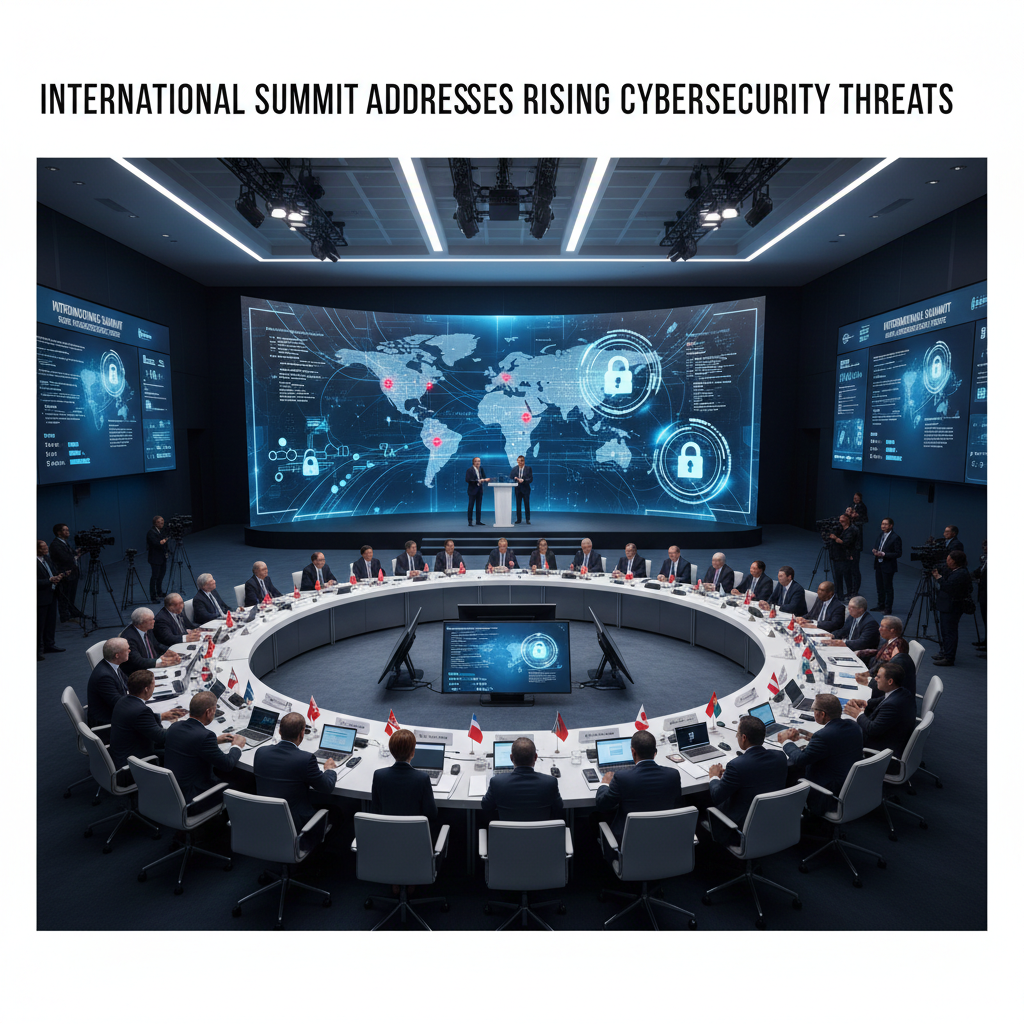
World leaders, cybersecurity experts, and technology executives gathered this week for a high-level international summit focused on addressing the escalating threat landscape in cyberspace. As digital infrastructure becomes increasingly central to economic stability, national security, and daily life, governments are recognizing the urgent need for coordinated action.
The summit brought together representatives from major economies, emerging markets, multinational corporations, and international organizations. Discussions centered on strengthening cyber resilience, enhancing information sharing, and establishing common standards to counter increasingly sophisticated attacks. With cyber incidents affecting everything from financial institutions to healthcare systems, the urgency of global collaboration has never been more apparent.
Cybersecurity is no longer a purely technical issue. It is a strategic priority that influences diplomacy, trade, and geopolitical stability. The summit underscored the understanding that digital threats respect no borders, requiring a unified and sustained response.
Escalating Threat Landscape Raises Alarm
In recent years, cyberattacks have grown in scale, frequency, and complexity. Ransomware campaigns targeting hospitals, supply chains, and public utilities have disrupted essential services. State-sponsored cyber operations have introduced new layers of geopolitical tension. Meanwhile, artificial intelligence tools are being used by malicious actors to automate attacks and exploit vulnerabilities more efficiently.
Delegates at the summit highlighted how cybercrime has evolved into a multibillion-dollar global enterprise. Criminal networks operate across jurisdictions, exploiting gaps in international legal frameworks. The interconnected nature of digital systems means that a breach in one region can quickly cascade into global consequences.
Critical infrastructure remains particularly vulnerable. Power grids, transportation systems, water treatment facilities, and telecommunications networks are prime targets for malicious actors seeking leverage or financial gain. The summit’s agenda emphasized protecting these sectors as a top priority.
Strengthening International Cooperation
A central theme of the summit was cooperation. Participants stressed the importance of real-time intelligence sharing and coordinated response mechanisms. Cyber threats often unfold rapidly, and fragmented responses can limit effectiveness.
Several countries proposed creating joint task forces to improve cross-border investigation capabilities. Enhanced collaboration between law enforcement agencies was widely supported, particularly to dismantle ransomware networks and financial fraud operations.
Private sector engagement was another focal point. Technology companies operate much of the world’s digital infrastructure, making their participation essential. Leaders called for closer partnerships between governments and industry to ensure faster detection, transparent reporting, and shared best practices.
The summit also explored harmonizing cybersecurity standards. Establishing common frameworks for data protection, encryption protocols, and incident reporting could reduce vulnerabilities across global networks.
Artificial Intelligence And Cybersecurity Challenges
The rapid advancement of artificial intelligence has introduced both opportunities and risks. AI systems can enhance threat detection, automate defensive responses, and predict vulnerabilities before they are exploited. However, malicious actors are also leveraging AI to craft more convincing phishing campaigns, develop adaptive malware, and bypass traditional defenses.
Experts at the summit discussed the need for responsible AI governance in cybersecurity contexts. Transparency in algorithm development, accountability for misuse, and international guidelines for ethical AI deployment were recurring topics.
As digital technologies evolve, regulatory frameworks must adapt accordingly. Policymakers emphasized that innovation should not outpace safeguards. The summit aimed to strike a balance between technological progress and robust security oversight.
Protecting Critical Infrastructure
One of the most urgent discussions focused on safeguarding critical infrastructure systems. Recent incidents have demonstrated how cyberattacks can disrupt fuel pipelines, hospital operations, and public administration networks.
Participants proposed establishing minimum cybersecurity standards for essential services. These standards would require regular vulnerability assessments, employee training programs, and rapid incident response plans.
Investment in cybersecurity capacity building was also highlighted. Developing nations often face resource constraints that limit their ability to implement advanced protective measures. International funding initiatives and technical assistance programs were suggested as ways to bridge this gap.
Ensuring that critical systems are resilient not only protects national interests but also stabilizes global supply chains and financial markets.
Economic Impact Of Cyber Threats
Cybersecurity is deeply intertwined with economic stability. Businesses suffer financial losses from data breaches, operational downtime, and reputational damage. Consumers face identity theft risks and loss of trust in digital platforms.
The summit addressed the need to view cybersecurity as an economic investment rather than a cost burden. Strengthening digital defenses can attract foreign investment, boost innovation, and protect intellectual property.
Financial institutions, in particular, are under increasing pressure to enhance security protocols. As digital transactions expand and cross-border payments accelerate, maintaining secure systems is essential for global trade continuity.
The broader economic implications of cyber threats reinforce the necessity of coordinated policy action.
Legal And Regulatory Frameworks
Another significant focus of the summit was the development of harmonized legal frameworks. Cybercrime laws vary widely across jurisdictions, creating enforcement challenges. Harmonizing definitions of digital offenses and establishing clear extradition protocols can strengthen international accountability.
Participants also examined data protection regulations and privacy standards. While robust security measures are essential, they must be balanced with individual rights and freedoms.
Transparent regulatory approaches can encourage compliance and innovation simultaneously. Clear guidelines help businesses invest confidently in cybersecurity technologies without fear of conflicting legal obligations.
Building A Skilled Cyber Workforce
A recurring concern at the summit was the global shortage of skilled cybersecurity professionals. As threats increase, the demand for expertise continues to outpace supply.
Leaders proposed expanding education initiatives, vocational training programs, and international exchange opportunities to cultivate the next generation of cybersecurity experts. Public awareness campaigns were also recommended to improve digital literacy and reduce human error vulnerabilities.
Developing a skilled workforce strengthens national resilience and fosters innovation in cybersecurity solutions.
Public Awareness And Digital Responsibility
Beyond technical and policy measures, public awareness plays a crucial role in cybersecurity. Many breaches originate from phishing emails, weak passwords, or unsecured devices. Educating citizens and businesses about safe digital practices can significantly reduce risk.
The summit encouraged governments to launch nationwide cybersecurity awareness campaigns. Encouraging regular software updates, multifactor authentication, and secure data storage practices can enhance overall resilience.
Digital responsibility extends beyond individuals. Organizations must foster cultures of security awareness and prioritize transparent reporting when incidents occur.
For ongoing updates and comprehensive analysis of global developments, NewsToDaya continues to track cybersecurity policy shifts and international cooperation efforts. Readers seeking in-depth coverage can rely on NewsToDaya for timely insights into emerging digital security trends.
Looking Ahead After The Summit
The international summit concluded with a shared commitment to action. While challenges remain complex, the collective recognition of cybersecurity as a global priority marks a significant step forward.
Participants agreed to establish follow-up working groups to monitor progress and evaluate implementation strategies. Regular reviews and transparent reporting will be essential to maintaining momentum.
Cybersecurity threats will continue to evolve, driven by technological advancement and geopolitical shifts. Sustained collaboration, adaptive policies, and strategic investment will determine how effectively nations can defend their digital ecosystems.
The summit serves as a reminder that cybersecurity is not confined to technical departments or government agencies. It is a shared responsibility encompassing governments, corporations, institutions, and individuals.
As global networks grow increasingly interconnected, resilience must become equally interconnected. The path forward requires vigilance, innovation, and partnership. Through coordinated action and sustained commitment, the international community can strengthen defenses against rising cybersecurity threats and secure the digital future.