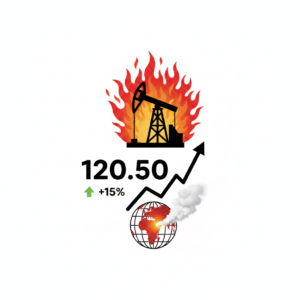




Global oil markets experienced immediate turbulence after major producers announced unexpected production cuts. The decision, revealed without prior signals to the market, triggered a swift reaction across commodity exchanges, energy stocks, and currency markets. Within hours of the announcement, crude prices surged as traders recalibrated supply expectations and assessed the broader economic impact.
Production levels play a central role in determining global oil prices. When output is reduced, supply tightens, often driving prices higher if demand remains stable. The latest cuts appear designed to stabilize prices and counteract recent downward pressure caused by fluctuating global demand and economic uncertainty.
Investors and policymakers alike are closely monitoring the situation, recognizing that oil remains one of the most influential commodities in the global economy.
Immediate Market Response And Price Surge
Oil benchmarks posted sharp gains following the announcement. Futures contracts climbed as traders anticipated tighter supply conditions in the months ahead. Energy sector stocks also advanced, with exploration and production companies leading the rally.
The price spike reflects a classic supply-demand reaction. Even a modest reduction in output can have a magnified effect on markets, especially when inventories are already constrained. Analysts suggest that speculative trading activity further amplified the upward movement.
Currency markets reacted as well. Nations heavily dependent on oil exports saw their currencies strengthen, while oil-importing countries faced renewed pressure due to potential increases in import costs. Bond markets adjusted to expectations that higher energy prices could influence inflation trends.
Why Producers Opted For Production Cuts
Energy-producing nations typically adjust output to balance market stability and revenue objectives. In recent months, oil prices had experienced volatility due to mixed economic signals, shifting consumption patterns, and geopolitical developments. By cutting production, producers aim to prevent oversupply and maintain price levels that support fiscal budgets.
Several factors may have influenced the timing of the decision. Slower-than-expected global growth, seasonal demand fluctuations, and concerns about inventory buildup likely played a role. Additionally, coordination among major producers signals an effort to assert greater control over price direction.
Strategic production adjustments are not uncommon, but the unexpected nature of this move intensified its market impact.
Impact On Global Inflation And Consumer Prices
Energy prices directly influence inflation rates. When oil becomes more expensive, transportation and manufacturing costs often rise, potentially leading to higher prices for goods and services. Economists warn that sustained increases in oil prices could complicate efforts by central banks to manage inflation.
For consumers, higher fuel prices may translate into increased transportation expenses and elevated household budgets. Businesses reliant on logistics and shipping could face cost pressures, potentially affecting profit margins.
At the same time, energy-exporting economies may benefit from improved revenues, which can strengthen fiscal positions and support public spending initiatives.
Energy Sector Gains And Investment Outlook
Energy companies were among the immediate beneficiaries of the market rally. Shares of major oil producers climbed as higher prices improve revenue projections and cash flow expectations. Exploration firms and service providers also saw renewed investor interest.
Higher oil prices often encourage capital expenditure in drilling, infrastructure, and exploration projects. Investors are evaluating whether the current price environment will sustain long enough to justify expanded investment plans.
Renewable energy markets also responded. Some analysts argue that higher fossil fuel prices can accelerate interest in alternative energy solutions, as governments and corporations seek to diversify energy sources.
For comprehensive coverage of these developments and in-depth analysis of global market trends, NewsToDaya continues to track the evolving energy landscape and its economic implications.
Geopolitical Dimensions Of The Decision
Oil production decisions are rarely purely economic. Geopolitical considerations frequently influence supply strategies. By coordinating production cuts, major producers can reinforce their influence over global energy markets and signal strategic unity.
Energy security remains a top priority for many nations. Countries dependent on imports may reconsider supply diversification strategies, seeking to reduce vulnerability to external production shifts.
Diplomatic negotiations could intensify as importing nations engage with producers to ensure stable supply arrangements. Energy policy discussions are likely to feature prominently in upcoming international forums.
Implications For Emerging Markets
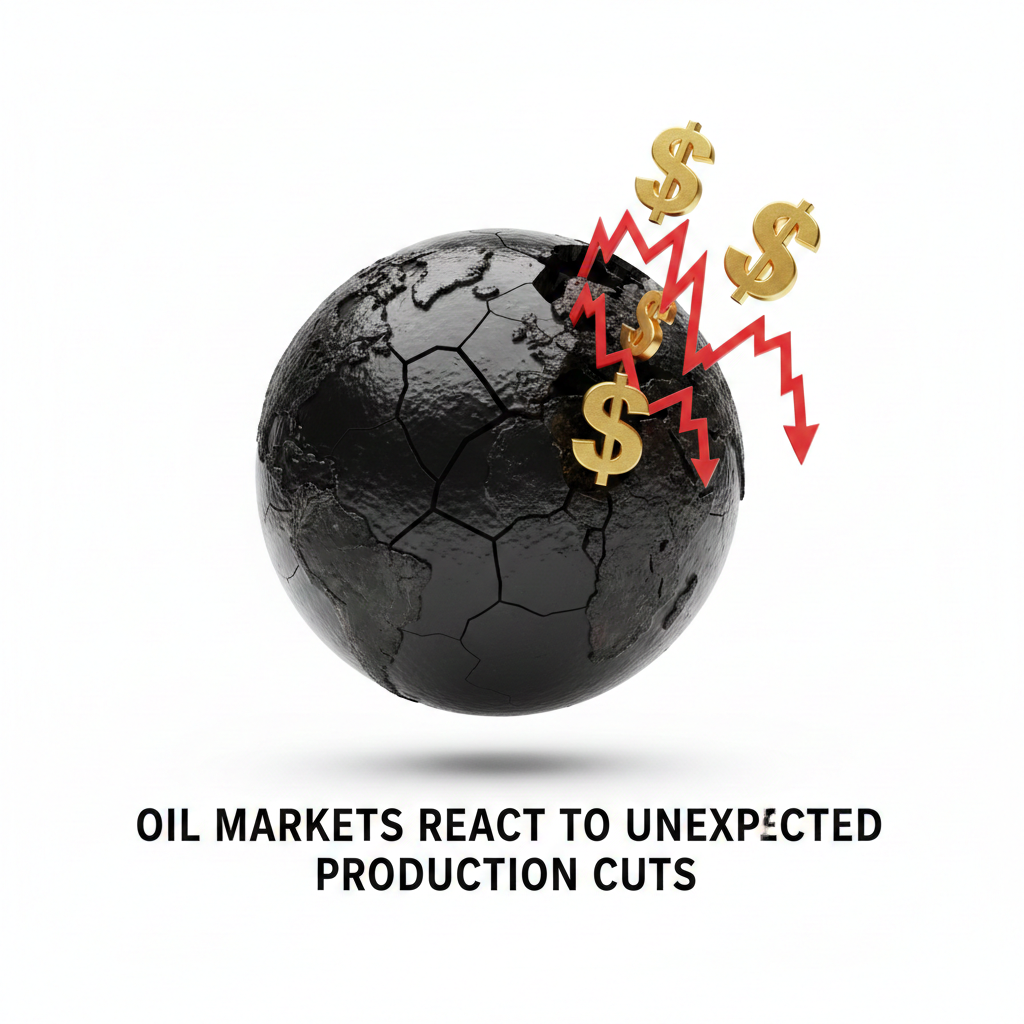
Emerging economies often face heightened exposure to energy price volatility. Countries reliant on oil imports may experience trade balance pressures if prices remain elevated. Governments could be forced to adjust subsidies or revise fiscal forecasts.
Conversely, emerging markets with oil production capabilities may benefit from stronger export revenues. Improved fiscal conditions can enable infrastructure investments and social spending programs.
The net effect will vary by region, underscoring the complex global ripple effects of production decisions.
Central Banks And Monetary Policy Considerations
Central banks around the world are closely evaluating how rising oil prices may affect inflation targets. If higher energy costs contribute to sustained price increases, policymakers may face difficult decisions regarding interest rates.
Tighter monetary policy could slow economic growth, while maintaining accommodative policies might risk fueling inflation. The interplay between commodity markets and monetary strategy highlights the interconnected nature of global financial systems.
Investors will pay close attention to central bank statements in the coming weeks, seeking guidance on potential policy adjustments.
Long Term Outlook For Oil Markets
While the immediate reaction has been a price surge, long-term outcomes will depend on demand dynamics and global economic performance. If economic growth remains steady, higher prices may be sustainable. However, weakened demand could eventually offset supply reductions.
Technological advancements and shifts toward renewable energy also shape the future of oil markets. Governments worldwide continue to pursue carbon reduction strategies, influencing long-term demand projections.
Energy analysts emphasize that volatility remains a defining feature of commodity markets. Strategic decisions, geopolitical tensions, and macroeconomic trends all contribute to price fluctuations.
Balancing Stability And Sustainability
The unexpected production cuts underscore the delicate balance between maintaining market stability and adapting to evolving energy landscapes. Producers seek to safeguard revenues, while consumers aim to manage costs and ensure reliable supply.
Global cooperation will be essential to prevent excessive volatility. Transparent communication and coordinated strategies can reduce uncertainty and support sustainable market conditions.
As developments unfold, NewsToDaya remains committed to delivering timely insights and comprehensive reporting on global energy trends. With oil prices influencing economies worldwide, informed analysis is more critical than ever.
The latest production cuts have reshaped short-term market dynamics and reignited debates about energy security, inflation, and geopolitical strategy. Whether this move leads to prolonged price strength or temporary volatility will depend on a complex interplay of supply, demand, and policy decisions.
For now, oil markets have reacted decisively, signaling once again that energy remains at the heart of global economic stability.