


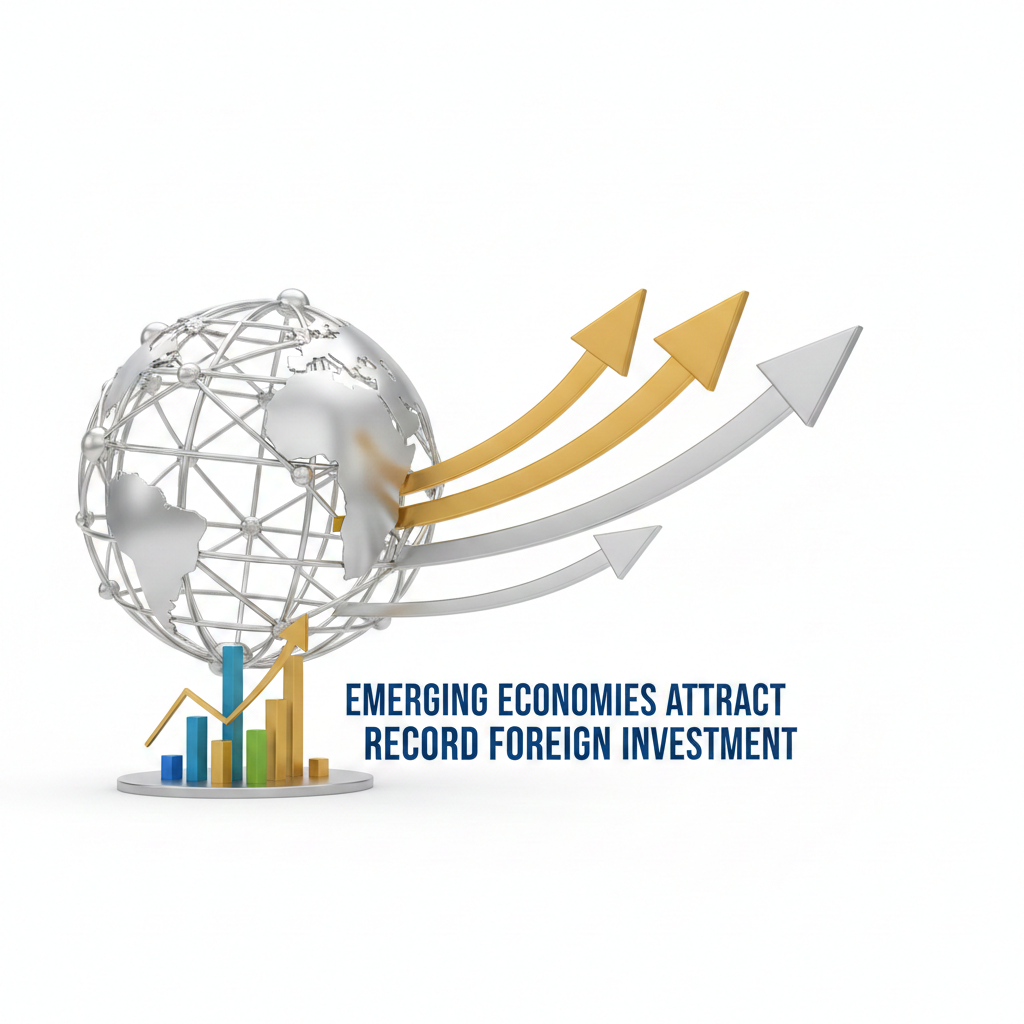
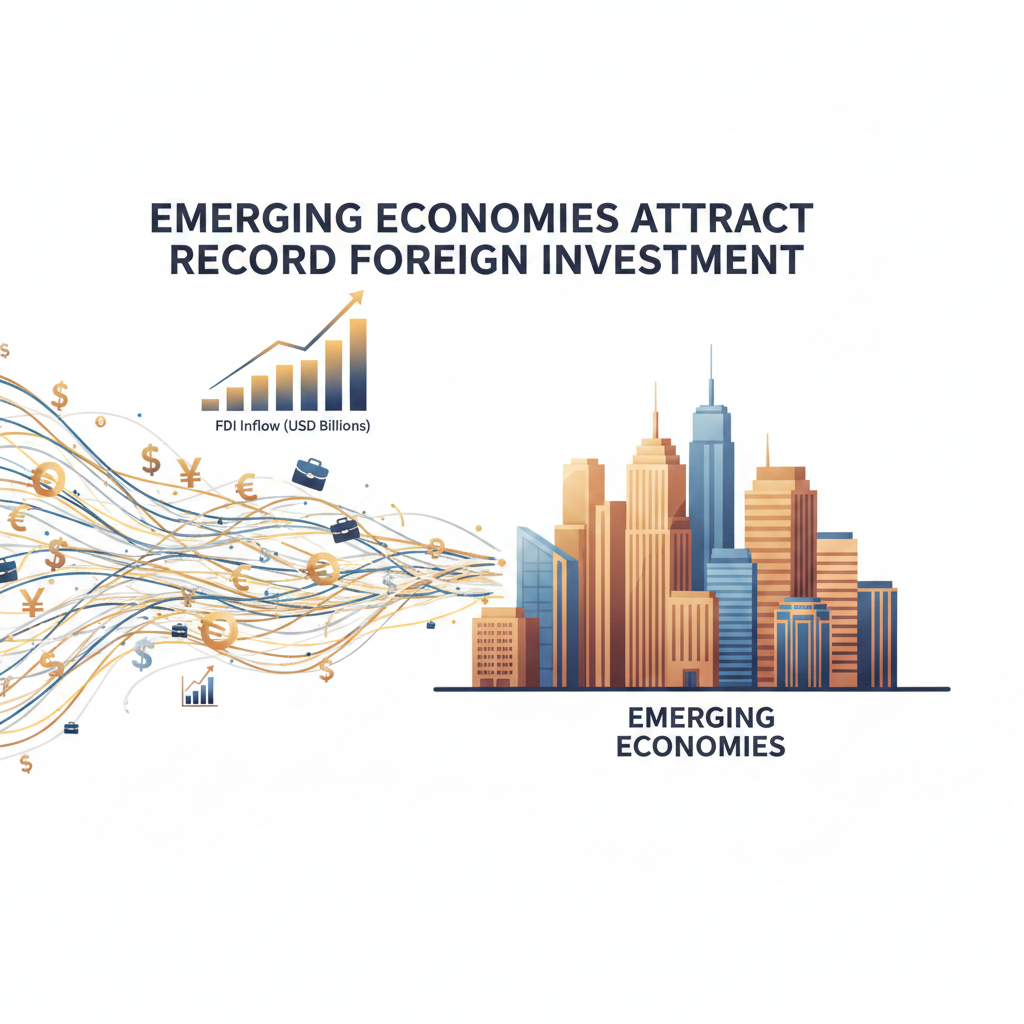
Emerging economies are experiencing a remarkable surge in foreign direct investment, marking a transformative moment in the global financial landscape. Investors from advanced economies are increasingly channeling capital into developing markets, drawn by strong growth prospects, expanding consumer bases, and structural reforms that promote business-friendly environments. This renewed momentum signals a shift in how global capital is being allocated, with emerging nations becoming central players in international economic expansion.
In recent years, global investors have faced volatility in traditional markets due to inflationary pressures, geopolitical uncertainty, and slowing growth. Against this backdrop, emerging economies have positioned themselves as attractive alternatives. Their dynamic demographics, improving governance standards, and rapid digital transformation have created a compelling narrative for long-term investment.
Drivers Behind The Investment Surge
Several interconnected factors are fueling record foreign investment inflows. One of the primary drivers is demographic advantage. Many emerging nations have young and growing populations, providing both a robust workforce and a rapidly expanding consumer market. This demographic dividend supports industrial growth, technological innovation, and domestic demand.
Economic reforms have also played a crucial role. Governments in developing regions have implemented regulatory improvements, tax incentives, and infrastructure upgrades aimed at attracting multinational corporations. Simplified business registration processes, strengthened legal frameworks, and enhanced transparency measures have significantly improved investor confidence.
Additionally, the global push toward supply chain diversification has accelerated capital movement into emerging markets. Companies are seeking to reduce reliance on single production hubs by expanding operations into new territories. This diversification strategy has created opportunities for nations offering competitive labor costs, strategic geographic locations, and modern logistics networks.
Technology And Digital Expansion Boost Confidence
The rapid adoption of digital technology in emerging economies has further strengthened their appeal. Fintech innovation, e-commerce growth, and mobile connectivity have transformed local markets, enabling businesses to scale efficiently and reach wider audiences.
Technology infrastructure investments have improved productivity and streamlined cross-border trade. Foreign investors are particularly attracted to startup ecosystems that demonstrate strong growth potential. Venture capital activity has expanded significantly, with tech-focused funds targeting emerging markets as fertile ground for innovation.
Digital transformation not only enhances economic performance but also signals adaptability. Investors often interpret technological progress as an indicator of long-term resilience, reinforcing positive sentiment toward developing economies.
Sectoral Growth Across Industries
Record foreign investment is not confined to a single industry. Instead, it spans manufacturing, renewable energy, healthcare, infrastructure, and technology. Manufacturing remains a core sector, benefiting from competitive production costs and expanding export networks.
Renewable energy projects are gaining particular attention. As the world transitions toward sustainable development, emerging economies with abundant natural resources are attracting capital for solar, wind, and hydroelectric initiatives. These investments contribute to energy security while aligning with global climate goals.
Healthcare and pharmaceuticals have also seen rising foreign interest, especially as global demand for affordable medical solutions increases. Infrastructure development, including transportation and urban planning, continues to draw significant funding, reflecting the need for modern facilities to support economic expansion.
For readers seeking deeper analysis of these global trends, NewsToDaya provides ongoing coverage of foreign investment flows and economic transformation stories from around the world.
Regional Highlights And Success Stories
In Asia, several emerging nations have reported record levels of inbound capital, driven by strong export performance and pro-business reforms. Southeast Asia, in particular, has become a hotspot for electronics manufacturing and technology assembly.
In Africa, improvements in political stability and infrastructure modernization have attracted new investors, especially in energy and telecommunications sectors. Latin America has also witnessed renewed interest, with natural resource projects and digital commerce platforms drawing global attention.
Eastern Europe has benefited from strategic positioning between major economic blocs, encouraging logistics, automotive manufacturing, and technology partnerships. These regional success stories highlight the broad appeal of emerging markets in the current global context.
Macroeconomic Stability And Investor Trust
Investor confidence depends heavily on macroeconomic stability. Many emerging economies have strengthened fiscal discipline, improved monetary policies, and built foreign exchange reserves to cushion against external shocks. Transparent central banking frameworks and responsible debt management have enhanced credibility.
Stable inflation rates and consistent growth projections provide reassurance to multinational corporations considering long-term commitments. By demonstrating policy continuity and economic resilience, emerging markets have reduced perceived risks traditionally associated with developing regions.
International financial institutions have acknowledged this progress, noting improved governance indicators and enhanced regulatory frameworks in numerous countries. These improvements further encourage cross-border capital flows.
Challenges And Risks To Consider
Despite record investment levels, challenges remain. Political uncertainty in certain regions can create short-term volatility. Currency fluctuations and external debt obligations may pose risks if not managed prudently.
Global economic conditions also influence investment patterns. A slowdown in advanced economies or shifts in monetary policy could affect capital availability. Trade tensions or geopolitical disputes might disrupt supply chains and investor sentiment.
To sustain current momentum, emerging economies must continue strengthening institutional frameworks and maintaining transparent governance. Long-term competitiveness depends on innovation, infrastructure development, and workforce skill enhancement.
Impact On Employment And Development
Foreign investment often brings substantial socio-economic benefits. Job creation is among the most immediate outcomes, as multinational corporations establish production facilities and service centers. Local supply chains expand, stimulating small and medium enterprises.
Technology transfer and knowledge exchange contribute to skill development within domestic labor markets. As companies introduce advanced processes and management practices, local industries gain exposure to global standards.
Infrastructure projects financed through foreign capital improve transportation networks, energy grids, and digital connectivity. These developments enhance overall productivity and elevate living standards, reinforcing economic growth cycles.
Global Investors Shift Strategic Focus
The surge in foreign investment reflects a broader strategic realignment. Institutional investors, sovereign wealth funds, and multinational corporations are diversifying portfolios to balance risk and capture growth opportunities. Emerging markets, once considered high-risk destinations, are increasingly viewed as essential components of global investment strategies.
Data-driven decision-making and improved transparency have reduced information gaps, enabling investors to assess opportunities more accurately. As financial markets mature and regulatory oversight strengthens, emerging economies continue to gain credibility.
NewsToDaya remains committed to delivering comprehensive analysis on these evolving investment patterns, helping readers understand how global capital movements shape economic landscapes.
Future Outlook For Emerging Economies
The outlook for foreign investment in emerging markets remains positive, provided that policy reforms and economic stability persist. Continued infrastructure development, innovation-driven growth, and integration into global trade networks will sustain investor interest.
Climate-focused investment is expected to expand, particularly in renewable energy and green infrastructure. Digital economies will likely attract increased venture capital, fostering entrepreneurship and technological advancement.
At the same time, maintaining balanced growth will require strategic planning. Governments must ensure that investment benefits are distributed equitably and aligned with national development priorities. Sustainable economic models that combine growth with environmental responsibility will define long-term success.
Conclusion
Emerging economies attracting record foreign investment marks a pivotal shift in global economic dynamics. Driven by demographic strength, policy reforms, technological advancement, and supply chain diversification, these markets are reshaping capital flows worldwide.
While challenges remain, improved governance and macroeconomic stability have strengthened investor trust. The resulting economic opportunities extend beyond financial gains, fostering employment, innovation, and infrastructure development.
As global capital continues to seek growth and diversification, emerging economies stand at the forefront of economic transformation. With prudent management and sustained reforms, they have the potential to redefine global investment landscapes for decades to come.