


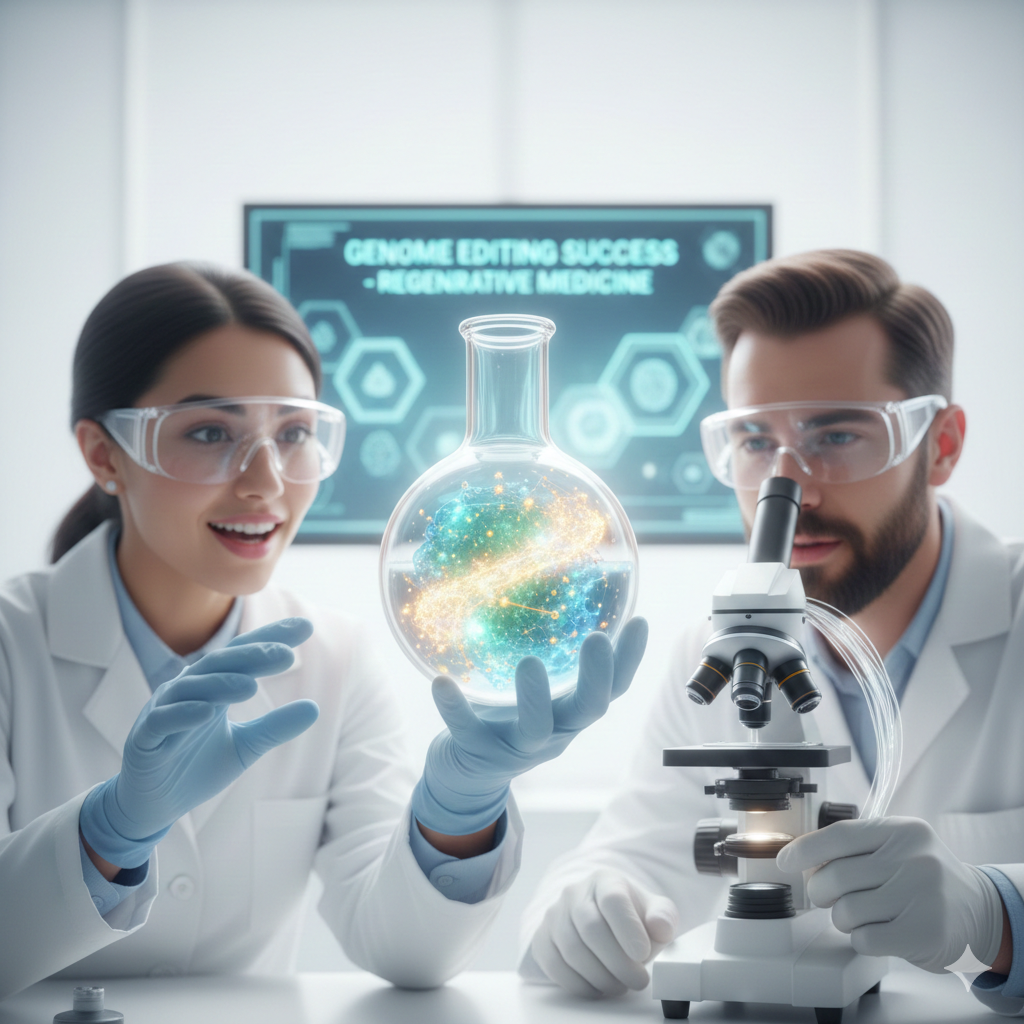
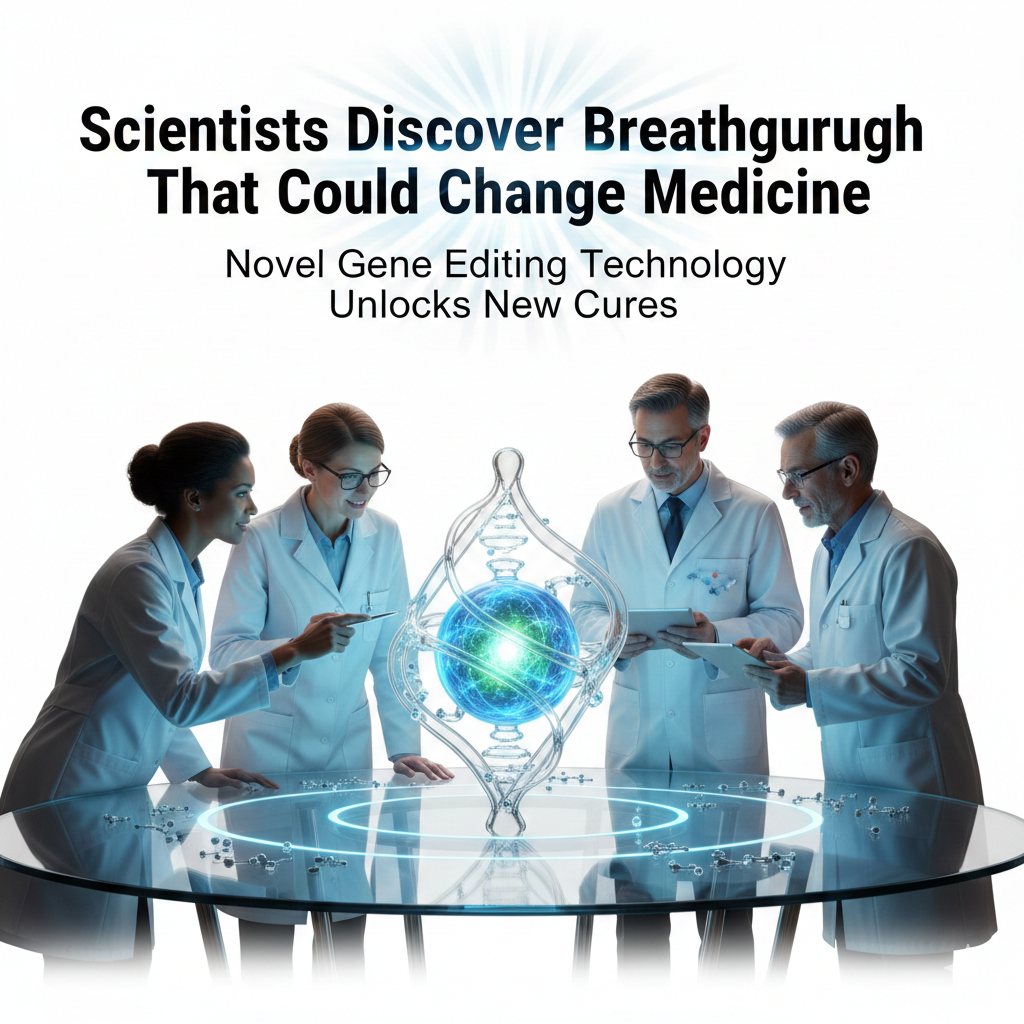
A team of international scientists has announced a groundbreaking discovery that could redefine the future of medicine. Researchers revealed findings that may transform how diseases are diagnosed, treated, and potentially prevented. The breakthrough centers on a novel therapeutic approach that targets illness at a cellular level with unprecedented precision, opening doors to safer and more effective treatments.
Medical experts are describing the development as one of the most significant advances in recent years. While clinical trials and regulatory approvals remain ahead, early data suggest the potential to revolutionize patient care across multiple conditions. The announcement has already sparked widespread attention from healthcare institutions, pharmaceutical companies, and research organizations worldwide.
Understanding The Scientific Discovery
At the heart of the breakthrough lies an innovative method of manipulating biological pathways previously considered too complex to control. Scientists have identified a mechanism that allows targeted intervention within diseased cells while minimizing damage to surrounding healthy tissue. This precision reduces side effects and enhances therapeutic effectiveness.
Traditional treatments, particularly in oncology and autoimmune diseases, often struggle to distinguish between harmful and healthy cells. As a result, patients frequently experience severe side effects. The new approach aims to change that paradigm by focusing on molecular signals unique to diseased cells.
Preliminary laboratory results have demonstrated promising outcomes in reducing disease progression. Researchers emphasize that while these results are encouraging, further trials are essential before widespread clinical application.
Potential Impact On Cancer Treatment
One of the most exciting aspects of the breakthrough involves its potential application in cancer therapy. Cancer treatments have evolved significantly over the past decades, yet challenges remain in achieving precision without toxicity. The new discovery offers hope for treatments that can selectively attack tumor cells while sparing healthy tissue.
Early experiments indicate improved response rates in preclinical cancer models. If human trials confirm these findings, patients could benefit from therapies that are both more effective and less debilitating. Oncologists suggest this development could complement existing immunotherapy and targeted drug strategies, creating multi-layered treatment plans tailored to individual patients.
The implications extend beyond a single disease type, as researchers believe the technique could be adapted for multiple forms of cancer.
Advancements In Chronic Disease Management
Beyond oncology, the breakthrough holds promise for chronic conditions such as diabetes, cardiovascular diseases, and autoimmune disorders. Chronic illnesses often require lifelong treatment and careful symptom management. A therapy that directly addresses underlying cellular dysfunction could dramatically improve long term outcomes.
For autoimmune diseases, where the immune system mistakenly attacks healthy tissue, precise intervention could prevent flare ups without suppressing overall immunity. Similarly, cardiovascular therapies based on this discovery might repair damaged tissues more effectively.
Medical professionals view this advancement as a potential turning point in how chronic diseases are approached, shifting from symptom management toward targeted correction.
The Role Of Technology In Driving Innovation
The discovery would not have been possible without significant advancements in biotechnology and computational modeling. Cutting edge imaging tools, gene editing techniques, and artificial intelligence driven data analysis enabled researchers to decode complex biological interactions.
High performance computing allowed scientists to simulate cellular responses and predict outcomes before conducting laboratory tests. This integration of technology accelerated the research timeline and enhanced precision.
Experts note that interdisciplinary collaboration played a critical role. Biologists, chemists, engineers, and data scientists worked together to bridge knowledge gaps and refine methodologies. Such collaborative efforts are increasingly shaping the future of medical innovation.
Global Reaction From The Medical Community
The announcement has generated enthusiasm within the global medical community. Leading research institutions have praised the breakthrough as a testament to scientific perseverance and collaboration. Pharmaceutical companies are reportedly exploring partnerships to support large scale clinical trials.
Healthcare policymakers are also paying close attention. A therapy that improves outcomes while reducing treatment costs could have profound implications for public health systems. The potential for shorter hospital stays, fewer complications, and improved recovery rates may translate into economic as well as medical benefits.
NewsToDaya has been closely monitoring developments surrounding this discovery, providing readers with timely insights into its implications for global healthcare.
Challenges And Ethical Considerations
Despite optimism, challenges remain. Transitioning from laboratory research to clinical application involves rigorous testing to ensure safety and efficacy. Regulatory bodies require extensive data before approving new therapies for public use.
Ethical considerations also come into play, particularly if the breakthrough involves gene editing or advanced cellular manipulation. Ensuring equitable access to new treatments will be critical. Innovations must not widen disparities in healthcare access between developed and developing regions.
Researchers emphasize the importance of transparency and adherence to international ethical standards. Ongoing dialogue between scientists, policymakers, and the public will be necessary to address concerns and build trust.
Economic Implications For The Healthcare Industry
Medical breakthroughs often influence the healthcare economy significantly. Pharmaceutical research and development investments may increase as companies seek to build upon the new findings. Biotechnology startups could experience heightened investor interest, accelerating innovation across the sector.
Healthcare infrastructure may also evolve to accommodate advanced therapies. Specialized training programs for medical professionals could emerge, ensuring practitioners are prepared to implement new treatment protocols.
Insurance systems and reimbursement models may require adaptation if the therapy proves cost effective in the long run. The broader economic ripple effect could shape healthcare markets for years to come.
Future Research And Clinical Trials
The next phase involves comprehensive clinical trials involving diverse patient populations. These trials will determine dosage optimization, long term safety, and comparative effectiveness against existing treatments.
International collaboration will likely continue, with research centers sharing data to expedite progress. Open scientific communication can accelerate validation and reduce duplication of efforts.
If successful, the therapy could receive expedited approval in regions prioritizing innovative treatments for life threatening diseases. Regulatory agencies may adopt fast track pathways to ensure timely access while maintaining safety standards.
NewsToDaya will continue to provide updates as clinical trials advance and new findings emerge, offering readers a clear perspective on how this discovery evolves from laboratory promise to real world application.
A Transformative Moment In Medicine
Scientific breakthroughs of this magnitude do not occur frequently. When they do, they redefine possibilities and inspire renewed confidence in research and innovation. This discovery exemplifies how persistence, technology, and global collaboration can converge to achieve transformative results.
Patients and healthcare providers alike are hopeful that this advancement marks the beginning of a new era in medicine. While caution and careful evaluation remain essential, the potential impact on millions of lives is undeniable.
As research progresses and more data become available, the world will watch closely. The promise of safer, more precise, and more effective treatments reflects the evolving frontier of medical science. With continued dedication and responsible implementation, this breakthrough could indeed change medicine for generations to come.