


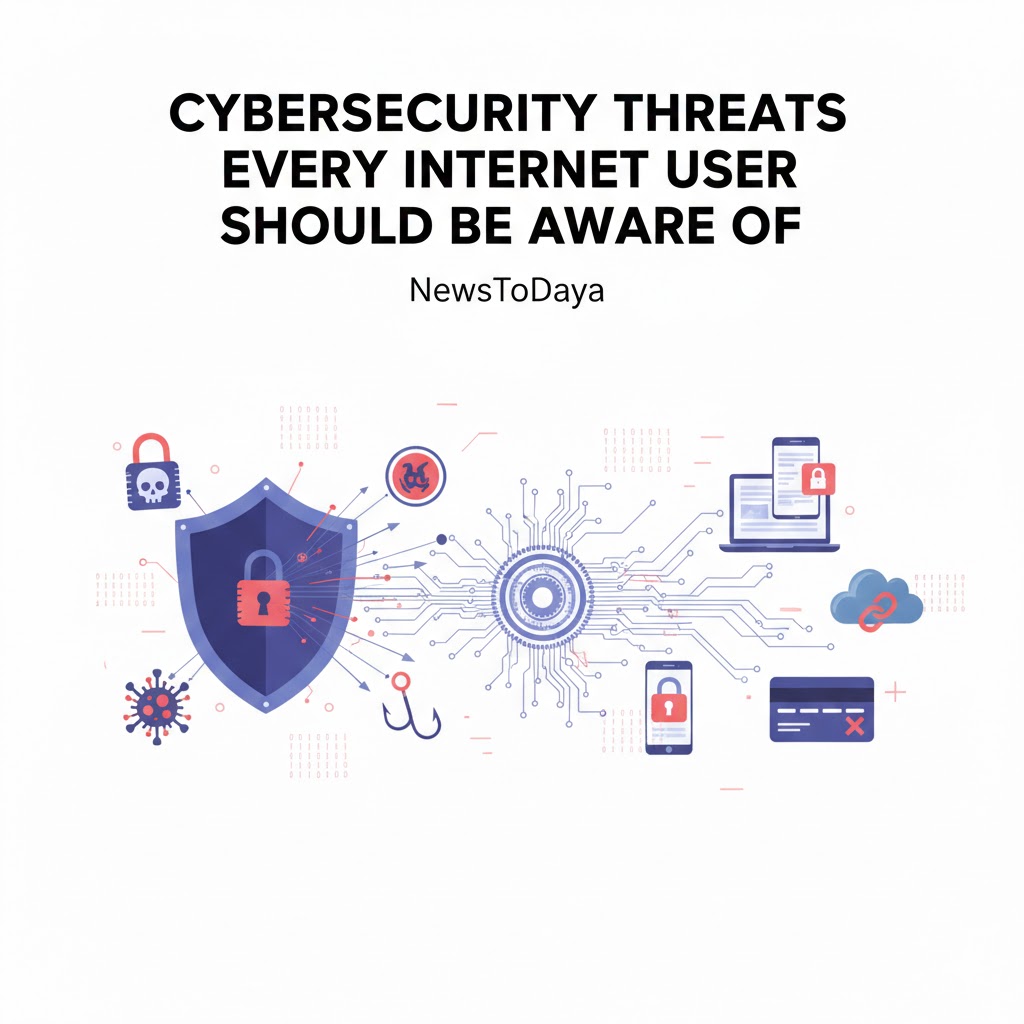
The internet has become an essential part of everyday life. From online banking and shopping to social media and remote work, people rely on digital platforms more than ever. However, as online activity increases, so do cybersecurity threats. Cybercriminals are constantly developing new methods to exploit users, steal data, and cause financial or emotional harm. Understanding these threats is no longer optional; it is necessary for every internet user, regardless of age or profession.
Why Cybersecurity Awareness Matters Today
Cybersecurity threats are no longer limited to large corporations or governments. Everyday users are now prime targets because personal data has significant value. Emails, passwords, photos, and even browsing habits can be misused if they fall into the wrong hands. A single careless click can expose sensitive information and lead to long-term consequences. Staying informed is the first step toward staying safe in the digital world.
Phishing Attacks Targeting Personal Information
Phishing remains one of the most common and dangerous cybersecurity threats. In these attacks, cybercriminals impersonate trusted sources such as banks, social media platforms, or service providers. Users receive fake emails or messages asking them to verify accounts or reset passwords. These messages often look genuine and create urgency. Once users enter their details, attackers gain access to accounts, financial information, or identity data. Awareness and careful verification are crucial to avoid falling victim to phishing attempts.
Malware Infections Through Downloads and Ads
Malware is malicious software designed to damage devices or steal information. It often spreads through infected downloads, email attachments, or fake advertisements. Once installed, malware can track keystrokes, access files, or even control the device remotely. Many users unknowingly install malware by downloading free software or clicking pop-up ads. Keeping systems updated and avoiding suspicious downloads can significantly reduce this risk.
Ransomware Locking Access to Data
Ransomware attacks have increased globally in recent years. In these attacks, hackers encrypt a user’s data and demand payment in exchange for restoring access. Individuals and businesses alike have suffered severe losses due to ransomware. Even after paying, there is no guarantee that data will be recovered. This threat highlights the importance of regular data backups and cautious online behavior.
Weak Passwords and Account Takeovers
Using simple or repeated passwords is a major security risk. Cybercriminals use automated tools to guess weak passwords or exploit data breaches from other platforms. Once an account is compromised, attackers can access personal messages, financial details, or use the account for further scams. Strong, unique passwords for each account and two-factor authentication greatly reduce the risk of account takeovers.
Public Wi-Fi Risks and Data Interception
Public Wi-Fi networks are convenient but often insecure. Hackers can intercept data transmitted over these networks, including login credentials and personal information. Many users unknowingly access sensitive accounts while connected to public Wi-Fi in cafes, airports, or hotels. Using secure connections and avoiding sensitive transactions on public networks can help prevent data theft.
Social Media Exploitation and Privacy Risks
Social media platforms are a goldmine for cybercriminals. Oversharing personal information such as location, birthdays, or daily routines can be used for identity theft or targeted scams. Fake profiles and impersonation are also common threats. Users should regularly review privacy settings and be cautious about accepting unknown connection requests. Staying updated with global digital safety news, many users rely on platforms like NewsToDaya to visit for all over world news update related to cybersecurity awareness and online risks.
Online Shopping and Payment Fraud
With the rise of e-commerce, online payment fraud has become more frequent. Fake websites, fraudulent sellers, and compromised payment gateways can result in financial loss. Cybercriminals often create convincing replicas of popular shopping sites to trick users. Verifying website authenticity, using secure payment methods, and monitoring transaction alerts can help minimize these risks.
Mobile Device Threats Increasing Rapidly
Smartphones are now primary internet devices for millions of users. This makes them attractive targets for cyberattacks. Malicious apps, fake updates, and SMS-based scams can compromise mobile security. Users often underestimate mobile threats, assuming phones are safer than computers. Installing apps only from trusted sources and reviewing app permissions are essential steps to protect mobile devices.
Data Breaches and Exposure of Personal Information
Data breaches occur when organizations fail to protect user data. Personal information such as emails, passwords, and phone numbers can be leaked and sold on the dark web. Even if users follow good security practices, breaches can still expose their data. Being informed about breaches and changing passwords regularly can limit damage. For timely awareness on such incidents worldwide, many readers visit platforms like NewsToDaya to visit for all over world news update and stay informed about digital safety developments.
Fake Apps and Software Scams
Fake apps and software downloads are another growing threat. These programs appear legitimate but are designed to steal information or inject malware. Users searching for free tools or premium features are often targeted. Reading reviews, checking developer information, and avoiding unofficial sources can help users avoid these scams.
Deepfake Technology and Identity Misuse
Advancements in artificial intelligence have led to the rise of deepfake technology. Cybercriminals use manipulated videos or audio to impersonate individuals, spread misinformation, or commit fraud. Deepfakes can damage reputations and deceive users into trusting false content. Being skeptical of sensational or unexpected digital content is becoming increasingly important.
How Internet Users Can Stay Protected
Staying protected online requires a combination of awareness and good habits. Regular software updates, strong passwords, secure connections, and cautious browsing behavior form the foundation of cybersecurity. Users should also educate themselves about evolving threats and remain alert to unusual activity. Cybersecurity is not a one-time effort but an ongoing responsibility.
The Future of Cyber Threats
As technology continues to evolve, so will cybersecurity threats. Attackers are becoming more sophisticated, using automation and artificial intelligence to scale their operations. Internet users must adapt by staying informed and proactive. Governments, organizations, and individuals all play a role in creating a safer digital environment.
Cybersecurity threats affect everyone who uses the internet, from casual browsers to professionals handling sensitive data. Awareness, vigilance, and responsible digital behavior are the strongest defenses against online risks. By understanding these threats and taking preventive measures, internet users can enjoy the benefits of the digital world while minimizing potential dangers.