

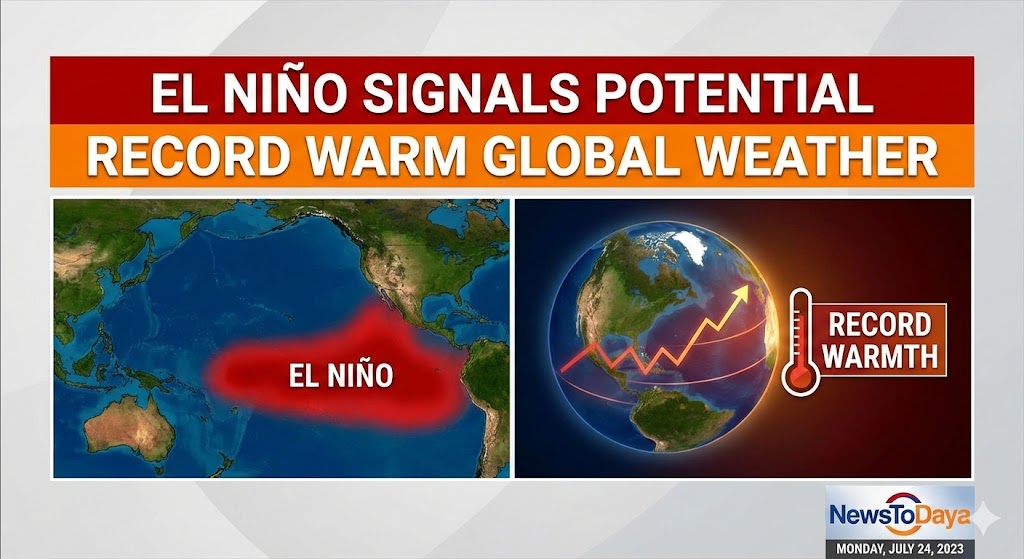
Climate scientists and meteorological agencies around the world are closely monitoring the development of El Niño, a powerful climate pattern that is once again shaping global weather systems. Current indicators suggest that this cycle could trigger record-breaking global warmth, influencing temperatures, rainfall patterns, agriculture, and extreme weather events across continents. As governments, businesses, and communities prepare for its wide-ranging effects, understanding what El Niño means and why it matters has never been more important.
What Is El Niño and Why It Matters
El Niño is a naturally occurring climate phenomenon linked to warming sea surface temperatures in the central and eastern Pacific Ocean. It is part of a broader system known as the El Niño–Southern Oscillation, which also includes its cooler counterpart, La Niña. While El Niño events occur every few years, their intensity and global impact can vary significantly.
During an El Niño phase, warmer ocean waters release increased heat into the atmosphere, altering wind patterns and disrupting normal weather cycles. This added heat often pushes global average temperatures higher, sometimes setting new records. Scientists now warn that the current El Niño, combined with long-term climate warming, could make the coming months among the hottest ever recorded.
Rising Global Temperatures and Climate Records
Early climate models indicate that this El Niño may push global temperatures beyond recent historical highs. In past events, El Niño has played a role in some of the warmest years on record. What makes the current situation particularly concerning is that it is unfolding on top of already elevated baseline temperatures caused by human-driven climate change.
As oceans absorb most of the planet’s excess heat, warmer sea temperatures intensify atmospheric warming. This increases the likelihood of prolonged heatwaves, warmer winters in some regions, and unprecedented seasonal temperature shifts. Many climate experts believe that global temperature records may be broken again if El Niño continues to strengthen.
Impact on Weather Patterns Worldwide
El Niño’s influence is truly global. In many parts of the world, it reshapes rainfall patterns, causing extreme weather conditions that can last for months.
Some regions may experience heavier rainfall and flooding, while others face severe droughts. Parts of South America often see intense rainfall leading to floods and landslides, while Australia and Southeast Asia may encounter drier conditions and increased wildfire risk. In North America, El Niño can bring milder winters to some areas and heavier precipitation to others, affecting water resources and agriculture.
These shifting patterns can strain infrastructure, disrupt transportation, and place pressure on emergency response systems. The unpredictability of these changes makes preparation difficult, especially for regions with limited resources.
Threats to Agriculture and Food Security
One of the most significant consequences of El Niño-driven warming is its impact on global agriculture. Changes in rainfall and temperature can reduce crop yields, damage soil quality, and disrupt planting cycles. Droughts in key agricultural regions can lower food production, while excessive rain can destroy crops before harvest.
Staple crops such as wheat, rice, and maize are particularly vulnerable to climate variability. Any reduction in their output can affect global food prices, increasing the risk of food insecurity, especially in developing nations. Farmers are often forced to adapt quickly, changing irrigation methods or crop choices, sometimes with limited success.
Food supply chains may also face challenges as extreme weather disrupts transportation and storage, further compounding economic pressure.
Oceans, Ecosystems, and Marine Life
El Niño does not only affect land-based systems. Warmer ocean temperatures can have devastating effects on marine ecosystems. Coral reefs, already under stress from long-term warming, are especially vulnerable to coral bleaching during El Niño events. Bleaching weakens coral structures and can lead to long-term reef damage or collapse.
Changes in ocean temperatures and currents also affect fish migration patterns, impacting fisheries and coastal communities that rely on them. Reduced fish stocks can harm livelihoods and local economies, particularly in regions where fishing is a primary source of income.
Marine biodiversity loss during strong El Niño events can take years to recover, underscoring the long-term ecological consequences of this climate pattern.
Health Risks and Human Impact
Extreme heat linked to El Niño poses serious risks to human health. Prolonged heatwaves can increase cases of heat exhaustion, heatstroke, and cardiovascular stress, particularly among vulnerable populations such as the elderly and children.
Additionally, changing rainfall patterns can influence the spread of waterborne and vector-borne diseases. Flooding can contaminate drinking water supplies, while warmer and wetter conditions may expand habitats for disease-carrying mosquitoes, increasing the risk of outbreaks.
Healthcare systems in many countries may face added pressure as they respond to climate-related health emergencies, highlighting the need for preparedness and early warning systems.
Economic Consequences of a Warmer World
The economic impact of El Niño-driven warming can be substantial. Damage to infrastructure from floods, storms, and heatwaves often requires billions in recovery costs. Energy demand may surge as temperatures rise, placing additional strain on power grids and increasing costs for consumers.
Insurance industries also face growing losses due to climate-related disasters. As extreme weather events become more frequent and severe, insurance premiums may rise, affecting homeowners, businesses, and governments alike.
For global markets, uncertainty around agricultural output, energy supply, and disaster recovery can lead to volatility, influencing trade and investment decisions worldwide.
Preparing for El Niño and Climate Extremes
Governments and international organizations are increasingly focused on preparedness and adaptation. Early warning systems, climate monitoring, and improved forecasting play a critical role in minimizing the damage caused by El Niño events. By sharing data and coordinating responses, countries can better manage risks associated with extreme weather.
Investments in resilient infrastructure, sustainable agriculture, and climate-smart technologies are also essential. Communities that adapt to changing conditions through better water management, heat-resistant crops, and disaster planning are more likely to withstand the impacts of a warming climate.
Public awareness and education are equally important. Understanding how El Niño affects local weather can help individuals and businesses make informed decisions, from conserving water to adjusting travel and work plans.
The Bigger Climate Picture
While El Niño is a natural phenomenon, its effects are being amplified by long-term global warming. Scientists emphasize that reducing greenhouse gas emissions remains crucial to limiting future temperature extremes. Without meaningful climate action, El Niño events may continue to push global temperatures to dangerous levels.
This convergence of natural climate cycles and human-induced warming serves as a reminder that the planet’s climate system is deeply interconnected. Actions taken today will influence how severe future climate impacts become.
As a global news platform, NewsToDaya continues to track and report on climate developments that shape our world. Understanding trends like El Niño helps readers stay informed about the forces influencing global weather, economies, and everyday life.
Looking Ahead
The coming months will be critical as scientists monitor how El Niño evolves and how strongly it influences global temperatures. While uncertainty remains, the signals point toward a period of heightened climate risk and record warmth.
Staying informed, supporting climate resilience, and encouraging global cooperation are essential steps as the world navigates this challenging phase. Through accurate reporting and in-depth analysis, NewsToDaya aims to keep global audiences aware of the changes unfolding across the planet and what they mean for the future.