


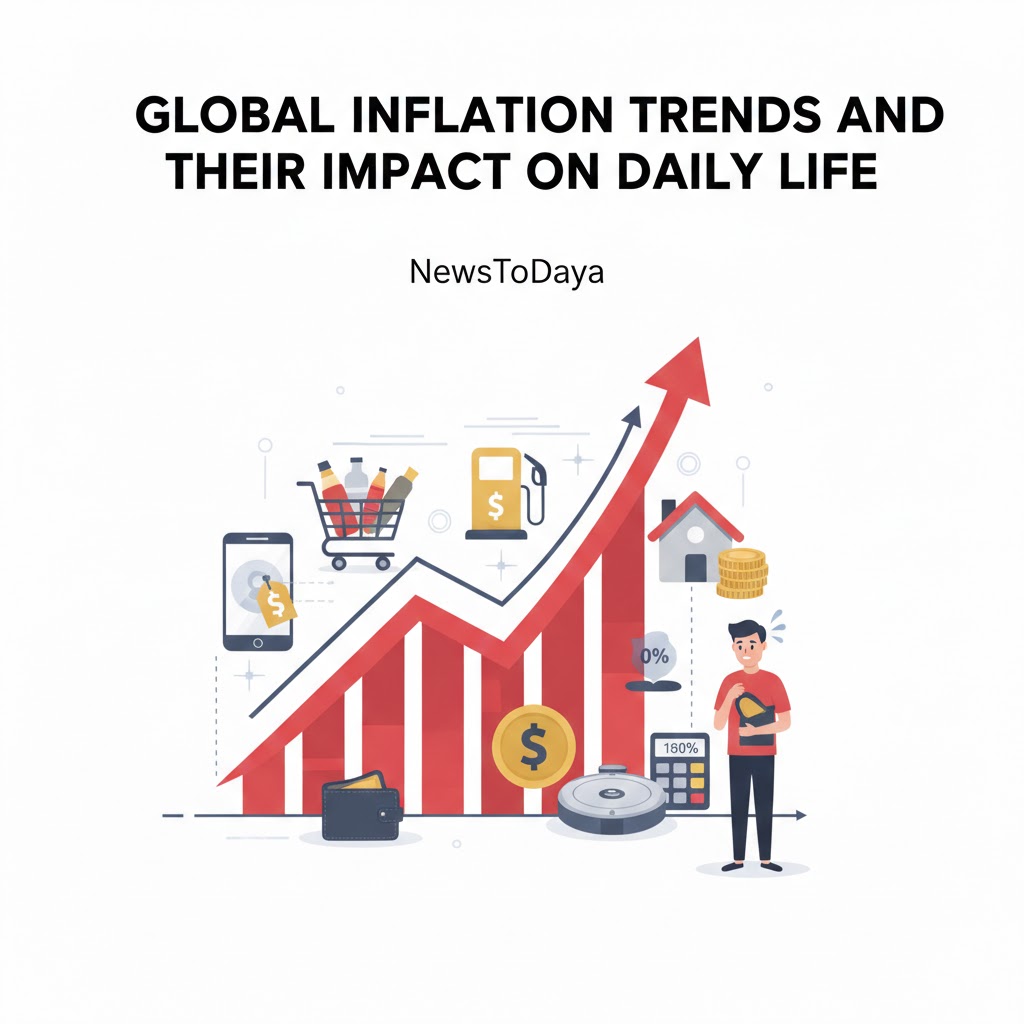
Inflation refers to the steady increase in prices of goods and services over time. When inflation rises, the purchasing power of money falls, meaning people can buy less with the same income. In recent years, global inflation has become a major topic of discussion as households across the world feel the pressure of rising costs. From groceries and fuel to rent and healthcare, inflation is no longer an abstract economic term but a daily reality affecting millions of people.
Why Global Inflation Has Increased Recently
Several interconnected factors have pushed inflation higher worldwide. Supply chain disruptions, geopolitical tensions, increased demand after economic reopenings, and higher energy costs have all played a role. When production slows or transportation becomes expensive, businesses pass these additional costs on to consumers. At the same time, when demand rises faster than supply, prices naturally increase, creating inflationary pressure across markets.
Rising Cost of Food and Essentials
One of the most visible impacts of global inflation is the rising price of food and daily necessities. Staples such as grains, vegetables, cooking oil, and dairy products have become more expensive in many countries. For families, this means adjusting meal choices, reducing discretionary spending, or switching to lower-cost alternatives. Inflation in food prices hits low- and middle-income households the hardest, as a larger portion of their income is spent on essentials.
Housing and Rent Pressures
Housing costs have increased significantly in many regions due to higher construction costs, increased demand, and limited supply. Rent prices in urban areas have risen sharply, forcing individuals and families to rethink living arrangements. Some people move to smaller homes, share accommodations, or relocate to more affordable locations. Inflation in housing directly affects financial stability, as rent or mortgage payments often take up a major share of monthly income.
Transportation and Energy Costs
Fuel and energy prices are closely tied to global inflation trends. When fuel prices rise, transportation costs increase for both individuals and businesses. This affects commuting expenses, public transport fares, and the price of delivered goods. Higher electricity and gas bills also add pressure to household budgets, especially during extreme weather seasons when energy usage increases.
Impact on Salaries and Employment
While prices rise quickly, wages often lag behind. This gap creates a situation where people feel financially stretched even if they are employed. Employers may struggle to increase salaries due to higher operating costs, leading to slower wage growth. In some industries, companies reduce hiring or cut costs to manage inflation, which can impact job security and career growth opportunities.
Changes in Consumer Behavior
Global inflation has significantly altered how people spend and save money. Consumers are becoming more price-conscious, comparing costs, waiting for discounts, and prioritizing needs over wants. Impulse buying has declined in many regions, while demand for value products and budget-friendly brands has increased. These behavioral shifts influence market trends and force businesses to adapt their pricing and product strategies.
Effects on Savings and Investments
Inflation affects not only spending but also savings. When inflation is high, money saved without interest loses value over time. This encourages individuals to explore investment options that can potentially outpace inflation. However, market volatility during inflationary periods can make investing feel risky, especially for first-time investors. As a result, financial planning has become a critical part of daily life.
Global Inequality and Inflation
Inflation does not impact all countries equally. Developing economies often experience stronger effects due to currency fluctuations and reliance on imports. When global prices rise, these nations face higher costs for fuel, food, and essential goods. This can widen economic inequality between countries and within societies, making inflation a global social issue rather than just an economic one.
How Governments Respond to Inflation
Governments and financial authorities use various tools to control inflation, including interest rate adjustments, subsidies, and fiscal policies. While these measures aim to stabilize prices, they can also have short-term effects on borrowing costs and consumer spending. Higher interest rates, for example, can reduce inflation but make loans and mortgages more expensive for individuals.
Long-Term Impact on Daily Life
Over time, prolonged inflation reshapes lifestyles and priorities. People may delay major purchases, rethink travel plans, or change career paths to seek better income stability. Financial literacy becomes more important as individuals look for ways to manage expenses, protect savings, and plan for the future. Inflation also influences cultural and social habits, from eating out less often to adopting more sustainable consumption patterns.
Adapting to an Inflation-Driven World
Living with inflation requires adaptability and informed decision-making. Budgeting, mindful spending, and continuous skill development can help individuals cope with rising costs. Businesses and households alike must remain flexible, adjusting strategies as economic conditions evolve. Understanding inflation trends allows people to make smarter financial choices and maintain stability despite economic uncertainty.
Final Thoughts
Global inflation is more than a headline; it is a force that shapes everyday experiences across the world. From the price of food to housing, transportation, and savings, its influence is deeply woven into daily life. Staying informed and prepared is essential for navigating these changes effectively. As inflation continues to evolve, awareness and adaptability will remain key to maintaining financial well-being.
NewsToDaya