


A Shift In The Global Economic Climate
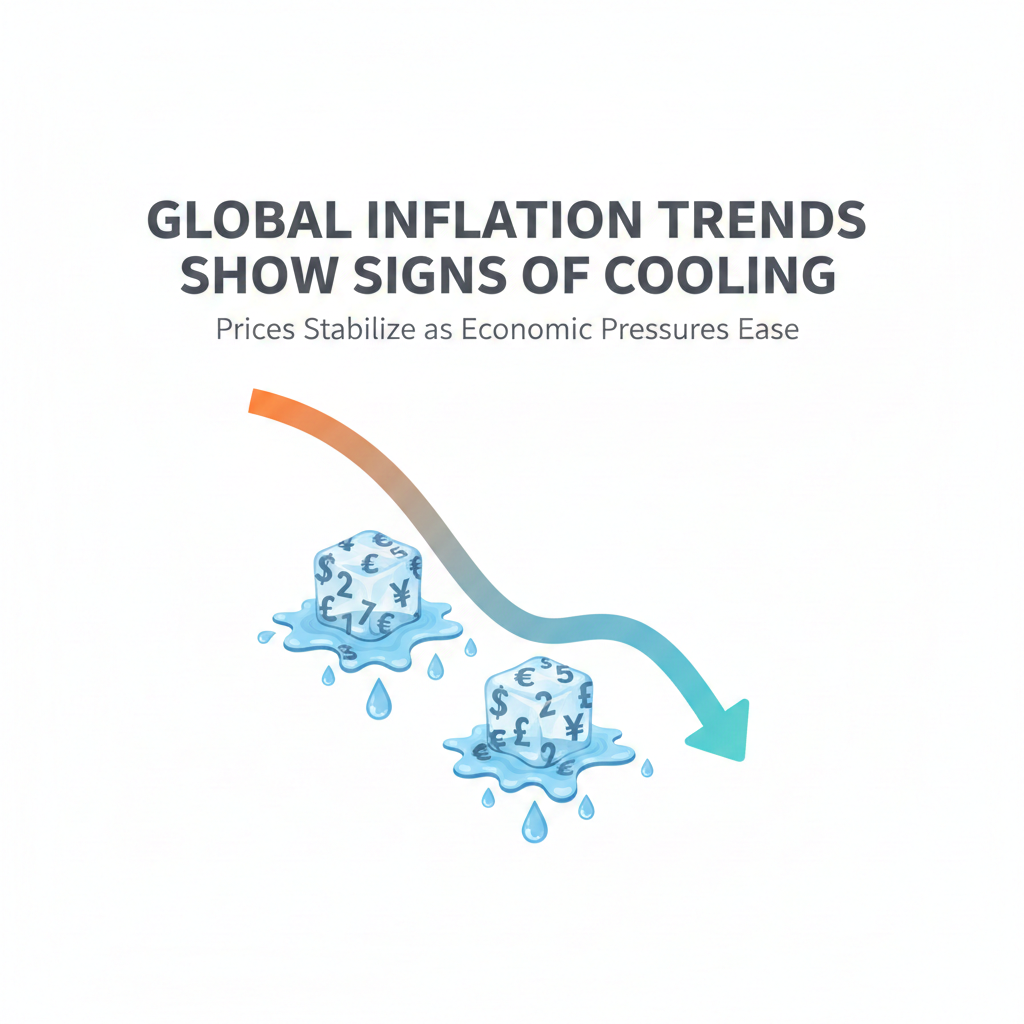
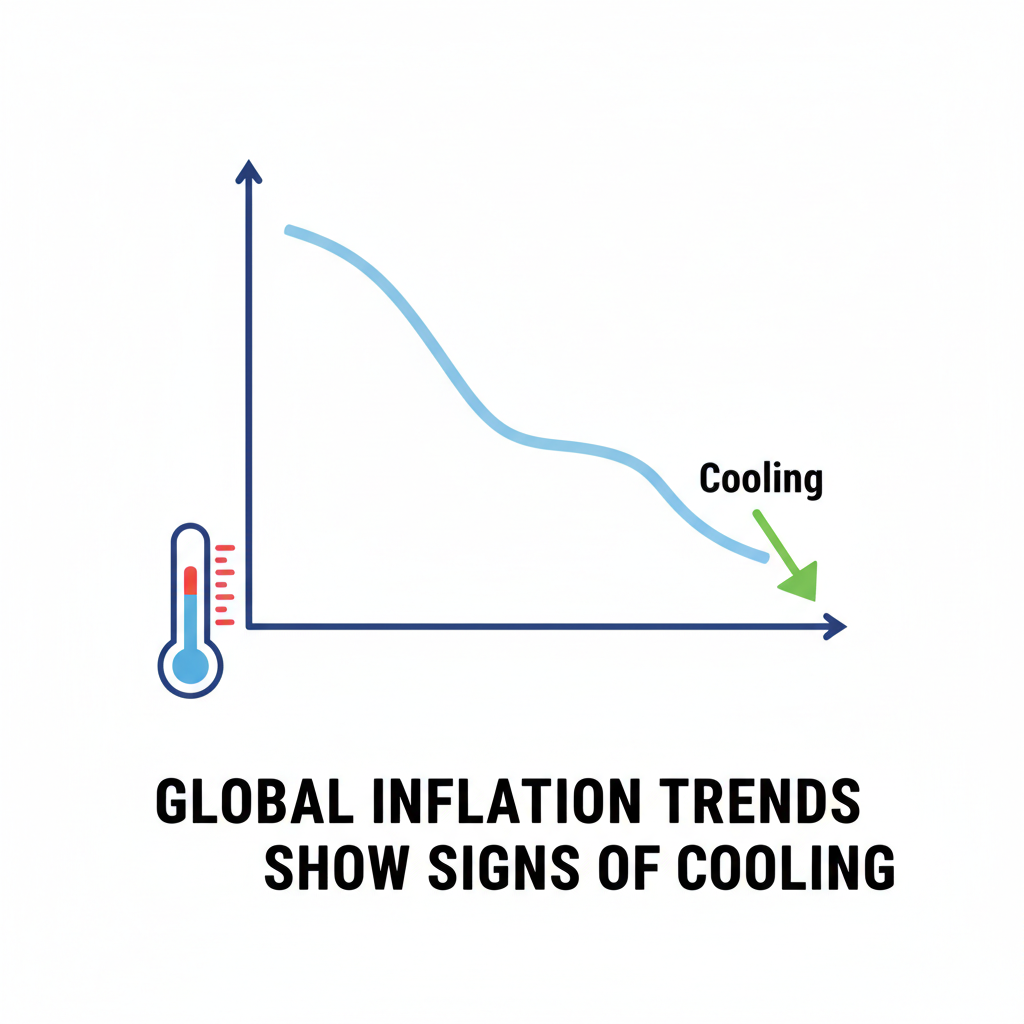
After months of persistent price pressures and economic uncertainty, recent data suggests that global inflation trends are beginning to show signs of cooling. Economies across North America, Europe, Asia, and parts of Latin America are reporting slower increases in consumer prices, offering cautious optimism to policymakers, businesses, and households alike.
The moderation in inflation does not mean prices are falling significantly. Instead, it indicates that the pace at which prices have been rising is beginning to slow. For consumers who have faced higher costs for essentials such as food, fuel, housing, and utilities, this development could signal a gradual return to stability.
Economists emphasize that while the trend is encouraging, the path toward sustained price stability remains complex and uneven across regions.
What Is Driving The Slowdown In Inflation
Several factors appear to be contributing to the cooling inflation trend. Central banks worldwide have implemented tighter monetary policies over the past two years, including higher interest rates and reduced liquidity in financial systems. These measures are designed to curb excessive spending and bring demand closer in line with supply.
Supply chain disruptions that plagued global markets during previous years have also eased considerably. Shipping routes have stabilized, production backlogs have diminished, and transportation costs have moderated. As a result, goods are moving more efficiently across borders, reducing cost pressures on businesses.
Energy markets, which played a significant role in driving inflation spikes, have also stabilized in many regions. Although energy prices remain sensitive to geopolitical developments, the extreme volatility seen earlier has subsided.
Together, these factors are contributing to a gradual easing of inflationary pressures.
Central Banks And Monetary Policy Impact
Central banks have been at the forefront of the fight against inflation. By raising interest rates, they aimed to slow borrowing and reduce consumer demand. While such measures can dampen economic growth temporarily, they are often necessary to prevent inflation from spiraling out of control.
Recent data suggests that these policy decisions are beginning to yield results. Inflation rates in several major economies have declined from peak levels. However, central bankers remain cautious. Many officials have indicated that interest rates may remain elevated until inflation consistently approaches target levels.
Financial markets are closely watching statements from monetary authorities. Expectations of rate cuts later in the year have fueled optimism in equity and bond markets. However, policymakers continue to stress the importance of patience and data driven decisions.
Impact On Consumers And Households
For households, cooling inflation provides some relief after extended periods of rising costs. Slower price increases in groceries, transportation, and housing can help families manage budgets more effectively.
Wage growth in some regions has begun to align more closely with inflation rates, improving purchasing power. This alignment is crucial in maintaining consumer confidence, which plays a vital role in sustaining economic activity.
However, it is important to note that while inflation may be slowing, prices remain higher than they were several years ago. Many consumers are still adjusting to a new cost structure. Policymakers and businesses must continue efforts to ensure affordability and economic inclusivity.
Business And Investment Outlook
Businesses benefit from a stable pricing environment. Predictable costs allow companies to plan investments, expand operations, and hire workers with greater confidence. Cooling inflation reduces uncertainty, encouraging both domestic and foreign investment.
Stock markets have responded positively to signs of moderating inflation. Investors often interpret cooling inflation as a signal that central banks may eventually ease monetary tightening, which can stimulate growth and corporate profitability.
Bond markets have also reacted, with yields adjusting in response to changing expectations about future interest rate movements. Financial analysts suggest that if inflation continues its downward trajectory, investment activity could strengthen further.
For ongoing analysis of global economic shifts and their implications, NewsToDaya provides detailed reporting and insights for readers seeking clarity in an evolving financial landscape.
Regional Differences In Inflation Trends
While the overall global trend indicates moderation, inflation patterns vary significantly across regions. Advanced economies with strong monetary frameworks have generally seen more consistent declines in inflation rates.
Emerging markets face a more complex environment. Currency fluctuations, commodity dependencies, and structural challenges can influence inflation differently. In some countries, food and energy costs remain elevated due to local supply constraints.
These regional disparities highlight the importance of tailored policy approaches. What works for one economy may not be suitable for another. Coordinated international cooperation can also help stabilize markets and reduce external shocks.
The Role Of Global Trade And Supply Chains
Global trade dynamics have played a critical role in shaping inflation trends. During periods of disruption, shortages of key goods pushed prices higher. As supply chains normalize, production costs have eased.
Technological advancements in logistics and manufacturing have improved efficiency, reducing delays and overhead expenses. Additionally, companies have diversified suppliers to minimize future risks, creating more resilient trade networks.
Lower shipping and freight costs have particularly helped industries reliant on imported components. These improvements are gradually translating into more stable consumer prices.
Trade policies and international agreements will continue to influence price stability in the years ahead.
Energy Markets And Commodity Prices
Energy and commodity markets remain central to inflation dynamics. Oil, natural gas, and agricultural products significantly impact transportation, manufacturing, and food costs.
Recent stability in energy prices has reduced pressure on businesses and consumers. However, global markets remain sensitive to geopolitical developments and environmental factors.
Investments in renewable energy and alternative sources are also reshaping the energy landscape. As countries diversify energy portfolios, long term price stability may improve.
Commodity prices for metals and agricultural goods have also shown moderation, reflecting improved supply conditions and balanced demand.
Challenges That Remain Ahead
Despite encouraging trends, risks remain. Inflation could reaccelerate if supply chains face new disruptions or if demand surges unexpectedly. Geopolitical tensions, extreme weather events, and policy missteps could all influence price stability.
Labor market dynamics also require close monitoring. Tight labor markets can lead to wage pressures, potentially fueling inflation if productivity does not keep pace.
Furthermore, balancing economic growth with inflation control remains a delicate task for policymakers. Premature easing of monetary policies could reverse progress, while prolonged tightening could slow economic recovery.
The global economy stands at a critical juncture where careful management is essential.
Outlook For The Coming Months
Economic forecasts suggest that inflation may continue to moderate gradually, provided current trends persist. Analysts expect incremental improvements rather than dramatic shifts.
Consumers may experience continued relief in select sectors, particularly goods driven by stabilized supply chains. Service sector inflation, however, may take longer to ease due to labor and operational costs.
Financial markets will remain attentive to economic data releases, employment reports, and central bank communications. Investor sentiment often shifts rapidly in response to new information.
NewsToDaya will continue delivering timely updates and in depth coverage of global inflation trends, helping readers understand how macroeconomic developments influence everyday life.
A Cautious Path Toward Stability
The signs of cooling inflation represent a welcome development in an otherwise challenging economic period. While not a definitive end to price pressures, the trend indicates progress toward restoring balance in global markets.
Sustaining this progress will require coordinated efforts from governments, central banks, businesses, and international institutions. Transparency, adaptability, and prudent policy decisions will be crucial in maintaining stability.
For households and businesses alike, the gradual easing of inflation offers hope for improved financial conditions and renewed economic confidence. As the global economy navigates this transition, informed analysis remains essential.
Global inflation trends showing signs of cooling may mark the beginning of a steadier economic phase. With vigilant oversight and strategic planning, the world economy could move toward a more predictable and sustainable growth environment.