


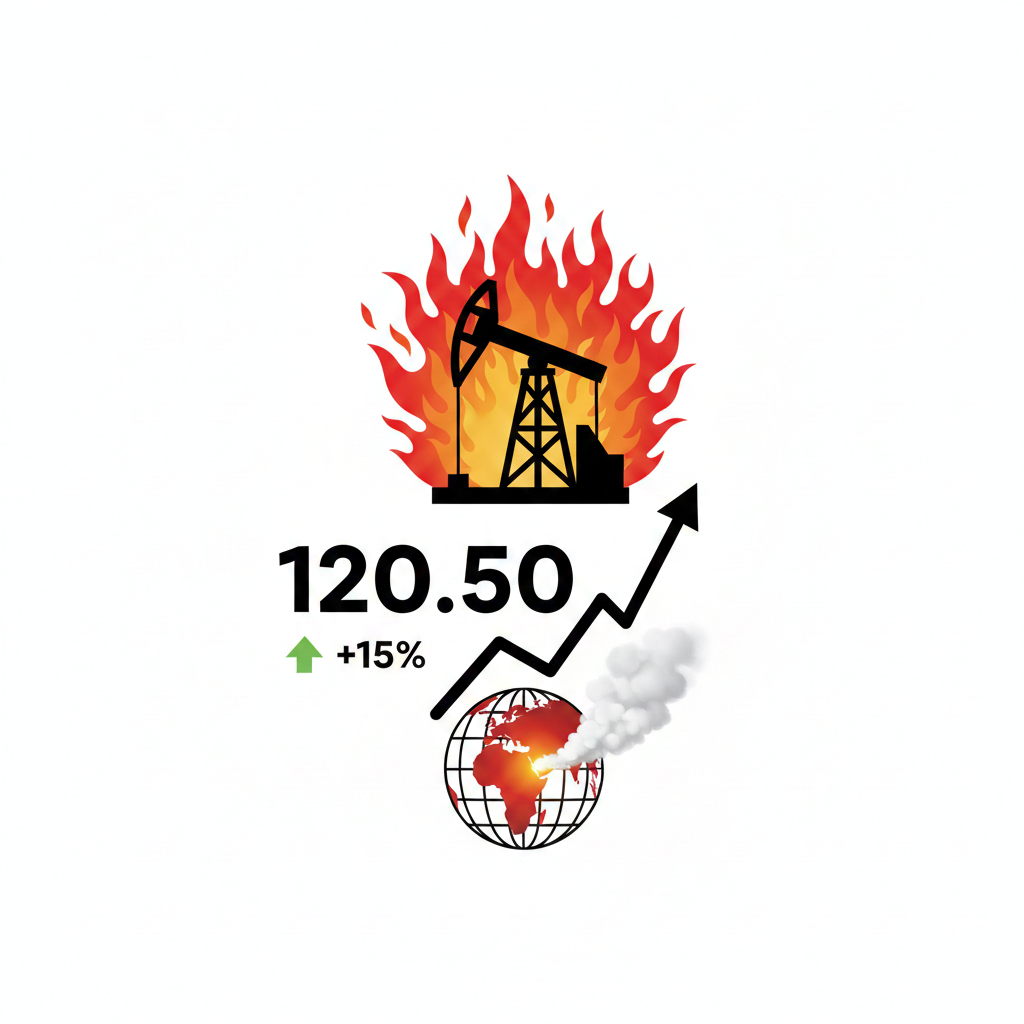
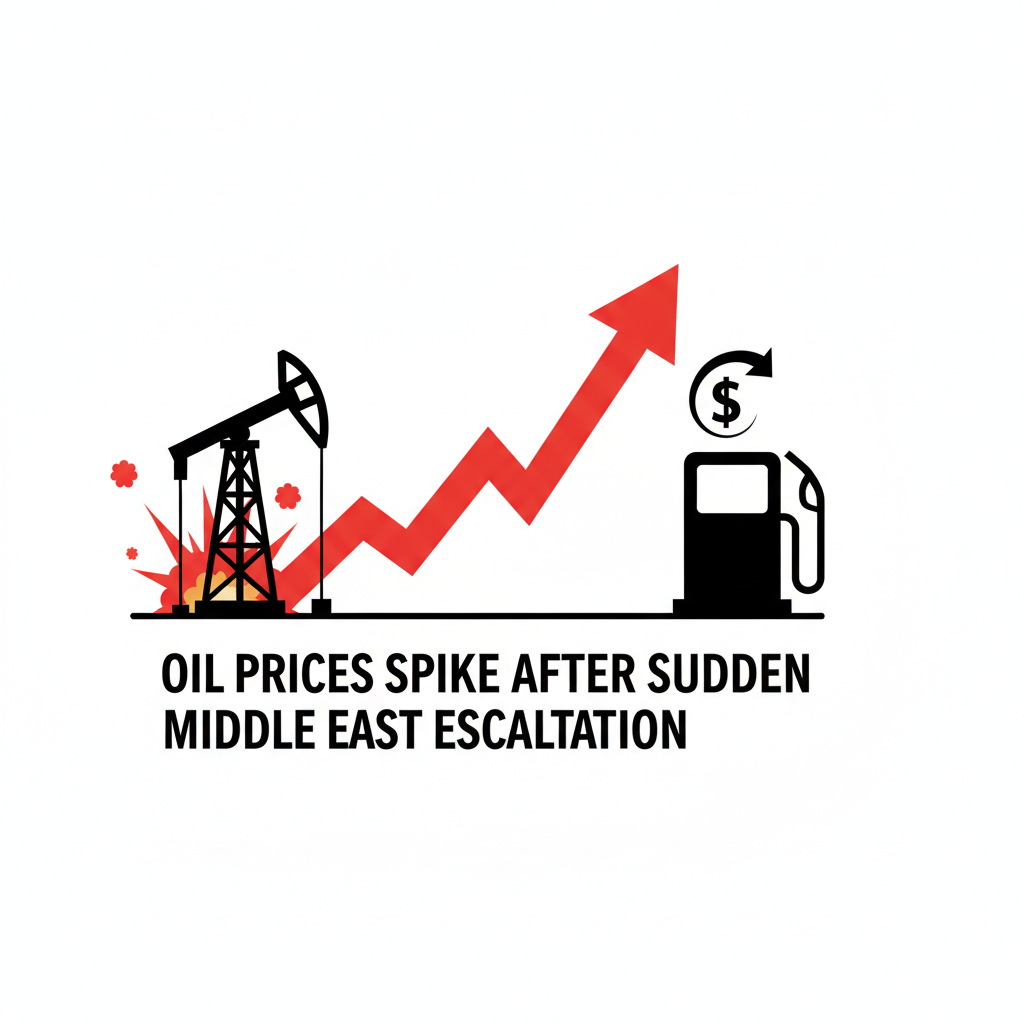
Global oil prices surged dramatically following sudden escalation in tensions across the Middle East, sending shockwaves through financial markets and energy dependent economies. Traders reacted swiftly as reports of instability raised fears of potential supply disruptions in one of the world’s most critical oil producing regions. Within hours of the developments, benchmark crude prices climbed significantly, reflecting market sensitivity to geopolitical risk.
The Middle East remains central to global energy supply chains. Even minor disruptions or perceived threats can influence pricing structures worldwide. The latest escalation has once again highlighted how closely interconnected geopolitics and energy markets truly are. Investors, policymakers, and consumers are now closely monitoring unfolding events to assess whether the spike represents a short term reaction or the beginning of sustained volatility.
Why The Middle East Matters To Oil Markets
The region accounts for a substantial share of global crude production and export capacity. Major shipping routes, including key maritime corridors, pass through strategically sensitive waters. Any risk to these routes can immediately affect supply forecasts and insurance costs, further pushing prices upward.
Energy markets operate heavily on expectations. When traders anticipate possible disruptions, even before actual supply reductions occur, they adjust contracts accordingly. Futures markets reflect this uncertainty rapidly, creating price spikes that ripple across related industries.
Refineries, transportation companies, and industrial manufacturers depend on stable pricing to maintain cost efficiency. Sudden price jumps complicate planning and increase operational expenses. As a result, the impact of regional escalation extends far beyond oil producing nations.
Immediate Impact On Global Economies
Higher oil prices typically translate into broader economic consequences. Fuel costs influence transportation, logistics, agriculture, and manufacturing. When crude prices rise sharply, consumer prices often follow, contributing to inflationary pressure.
Central banks worldwide are now assessing how sustained price increases could affect monetary policy. Inflation management remains a priority for many economies, and prolonged energy volatility may complicate interest rate strategies.
Stock markets reacted with mixed sentiment. While energy companies experienced gains due to higher projected revenues, airline and transportation stocks faced downward pressure. This divergence illustrates how sector specific exposure shapes market response.
For comprehensive updates and in depth financial coverage, NewsToDaya continues to track how energy markets respond to evolving geopolitical developments.
Energy Companies And Investor Sentiment
Energy producers have seen renewed investor interest amid the price surge. Higher crude prices can strengthen balance sheets and increase profitability for oil and gas companies. Share prices for major energy firms often rise during such periods.
However, investors remain cautious. Market optimism for energy stocks depends on whether the escalation leads to sustained supply tightness or resolves quickly. Temporary spikes can generate short lived gains, while prolonged instability can introduce broader economic risks.
Commodity traders are also adjusting positions. Hedging strategies are becoming more active as businesses seek protection against further price swings. This increased trading activity contributes to overall market volatility.
Impact On Consumers And Daily Life
For consumers, rising oil prices typically manifest at the fuel pump. Gasoline and diesel costs may increase in the coming weeks if elevated crude prices persist. Higher transportation costs can indirectly affect food prices and retail goods.
In countries heavily dependent on energy imports, governments may face pressure to intervene through subsidies or tax adjustments. Public concern often grows when fuel prices rise sharply, making energy affordability a politically sensitive issue.
Businesses reliant on transportation and shipping must reassess budgets and pricing strategies. Logistics companies, airlines, and delivery services are particularly vulnerable to fuel cost fluctuations.
Global Trade And Supply Chain Considerations
Oil serves as a foundational input in global trade. Shipping fleets, cargo transport, and industrial production all depend on stable fuel costs. Sudden price increases can disrupt supply chains already strained by other geopolitical and economic factors.
Import dependent economies may experience widening trade deficits if energy bills climb significantly. Currency markets can also react, especially in nations where oil imports represent a substantial share of expenditures.
Meanwhile, oil exporting countries may see short term revenue gains. However, sustained instability can deter long term investment and create economic unpredictability.
NewsToDaya is closely monitoring how global supply chains adapt to renewed energy market volatility and how policymakers respond to mitigate risk.
Strategic Reserves And Policy Responses
Governments often maintain strategic petroleum reserves to manage supply disruptions. In times of sharp price spikes, coordinated releases from reserves can help stabilize markets. Whether such measures will be considered depends on the duration and severity of the current escalation.
Energy ministers across several nations are reportedly in consultation, evaluating potential contingency plans. Diplomatic efforts aimed at de escalating tensions may play a crucial role in calming markets.
Long term energy security strategies are also being revisited. Diversification of supply sources and accelerated investment in renewable energy have become central themes in many policy discussions.
Renewable Energy And The Acceleration Debate
Episodes of oil price volatility often reignite debates about renewable energy transition. Advocates argue that dependence on fossil fuels leaves economies vulnerable to geopolitical instability. Rising prices can strengthen the case for accelerating renewable infrastructure development.
Solar, wind, and alternative energy companies sometimes see increased investor interest during oil market disruptions. However, transitioning energy systems requires time, capital, and infrastructure upgrades.
Balancing immediate energy needs with long term sustainability goals remains a complex challenge for policymakers worldwide.
Geopolitical Risk Premium Explained
Energy markets frequently include what analysts call a geopolitical risk premium. This premium reflects the additional cost embedded in oil prices due to perceived threats to supply stability.
When tensions escalate, the risk premium expands. Even if actual production remains unchanged, uncertainty alone can drive price adjustments. If diplomatic solutions emerge quickly, the premium may recede just as rapidly.
Understanding this mechanism helps explain why oil prices can fluctuate sharply even before tangible disruptions occur.
What Happens Next
The trajectory of oil prices will depend largely on how events unfold in the Middle East. If tensions de escalate and supply routes remain secure, markets may stabilize in the coming days or weeks. Conversely, further escalation could sustain elevated price levels.
Economic analysts emphasize the importance of measured response. Panic driven speculation can intensify volatility, while transparent communication from policymakers may help calm markets.
Investors, businesses, and consumers alike are watching closely. The current spike serves as a reminder of the delicate balance underpinning global energy systems.
As the situation develops, NewsToDaya remains committed to delivering timely analysis and comprehensive coverage of global energy markets and geopolitical events. Oil price movements are more than financial headlines; they reflect deeper dynamics shaping international relations, economic stability, and everyday life.
The coming weeks will determine whether this surge becomes a temporary shock or a defining moment in global energy markets. For now, the world’s attention remains firmly fixed on the Middle East and its far reaching influence on oil prices worldwide.