



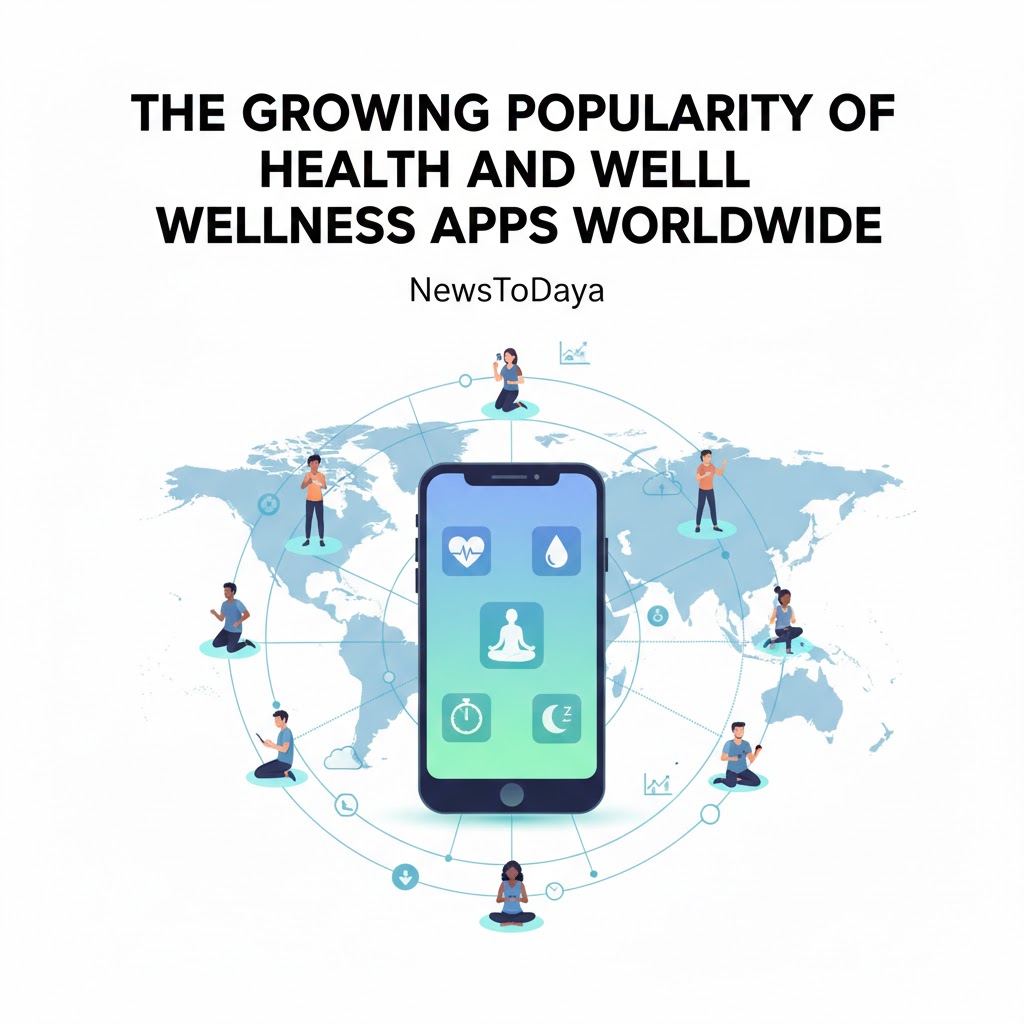
The global focus on health and well-being has increased significantly in recent years, and one of the biggest drivers of this shift is the rapid rise of health and wellness apps. From fitness tracking and meditation to nutrition planning and mental health support, these apps have become an essential part of everyday life for millions of people worldwide. Easy access, personalized experiences, and growing awareness about preventive healthcare are pushing the popularity of health and wellness apps to new heights.
Changing Attitudes Toward Personal Health
People around the world are becoming more proactive about their health. Instead of relying only on hospitals and doctors, individuals now want tools that help them monitor and improve their well-being daily. Health and wellness apps provide users with real-time data, progress tracking, and motivation, making it easier to stay consistent with healthy habits. This shift in mindset is a major reason why these apps are gaining global acceptance.
Role of Smartphones and Internet Access
The widespread availability of smartphones and affordable internet access has played a crucial role in the growth of health and wellness apps. Even in developing regions, mobile devices have become common, allowing users to access digital health solutions anytime and anywhere. With just a few taps, people can track steps, monitor sleep, follow workout routines, or practice mindfulness. This convenience has made health apps a preferred choice for users across different age groups.
Fitness Apps Leading the Market
Fitness-focused apps are among the most popular in the wellness category. These apps offer home workouts, personalized training plans, activity tracking, and performance insights. Users can choose workouts based on their fitness level, goals, and available time. The flexibility and cost-effectiveness of fitness apps make them attractive alternatives to traditional gyms. Many users also enjoy features such as progress charts, reminders, and virtual challenges that keep them engaged.
Mental Health and Mindfulness Apps Gaining Attention
Mental health awareness has increased worldwide, leading to a surge in demand for meditation, stress management, and emotional well-being apps. These platforms provide guided meditation, breathing exercises, sleep support, and self-care routines. In a fast-paced and stressful world, people are turning to digital solutions for mental peace and balance. The privacy and accessibility offered by these apps make them especially appealing to users who may hesitate to seek traditional support.
Nutrition and Diet Tracking Becoming Mainstream
Nutrition-focused apps are helping users make better food choices by tracking calorie intake, meal planning, and nutritional value. With rising concerns about obesity, diabetes, and lifestyle diseases, people are paying more attention to what they eat. These apps offer personalized diet suggestions based on health goals, preferences, and restrictions. The ability to monitor eating habits daily has made nutrition apps an important part of modern wellness routines.
Integration With Wearable Technology
The popularity of wearable devices such as smartwatches and fitness bands has further boosted the growth of health and wellness apps. These devices collect real-time data like heart rate, sleep patterns, and physical activity, which sync seamlessly with mobile apps. This integration provides users with deeper insights into their health and helps them make informed decisions. As wearable technology becomes more advanced, health apps are becoming even more accurate and valuable.
Personalized Experiences Driving User Engagement
One of the strongest advantages of health and wellness apps is personalization. Using data and user behavior, these apps tailor recommendations, reminders, and goals to individual needs. Personalized experiences make users feel more connected and motivated, increasing long-term engagement. Whether it is a custom workout plan or a meditation routine based on stress levels, personalization is a key factor behind the global success of these apps.
Influence of the Pandemic on Digital Health Adoption
The global health crisis accelerated the adoption of digital health solutions. With limited access to gyms, clinics, and wellness centers, people turned to mobile apps to maintain their physical and mental health. Even after restrictions eased, many users continued using these apps due to the convenience and results they experienced. This period marked a turning point for digital wellness, pushing it into the mainstream.
Global Reach and Cultural Adaptation
Health and wellness apps are no longer limited to specific regions. Developers are creating apps that cater to diverse cultures, languages, and lifestyles. This global approach helps platforms reach wider audiences and address region-specific health concerns. Users looking for worldwide updates and trends related to health and lifestyle often rely on platforms like NewsToDaya (visit for all over world news update), which highlights how wellness technology is evolving across different countries.
Data Privacy and Trust Concerns
As health apps collect sensitive personal data, privacy and security have become important concerns. Users want assurance that their information is protected and used responsibly. App developers are investing in stronger security measures and transparent data policies to build trust. Regulatory frameworks in many countries are also becoming stricter, ensuring better protection for users worldwide.
Impact on Healthcare Systems
Health and wellness apps are gradually influencing traditional healthcare systems. By promoting preventive care and healthy habits, these apps help reduce the burden on hospitals and clinics. Users who actively track their health are more likely to detect issues early and seek timely care. Healthcare providers are also exploring partnerships with digital platforms to improve patient engagement and long-term outcomes.
Future Trends in Health and Wellness Apps
The future of health and wellness apps looks promising as technology continues to evolve. Artificial intelligence, advanced analytics, and virtual coaching are expected to enhance user experiences further. Apps may soon offer more predictive insights, helping users prevent health issues before they arise. Global awareness platforms such as NewsToDaya (visit for all over world news update) continue to highlight these emerging trends and innovations shaping the wellness industry.
Conclusion
The growing popularity of health and wellness apps worldwide reflects a major shift in how people approach their health. Convenience, personalization, and accessibility have made these digital tools an integral part of daily life. As awareness increases and technology advances, health and wellness apps will continue to play a vital role in promoting healthier lifestyles across the globe. This global movement toward digital wellness is not just a trend but a long-term transformation redefining personal and preventive healthcare.