


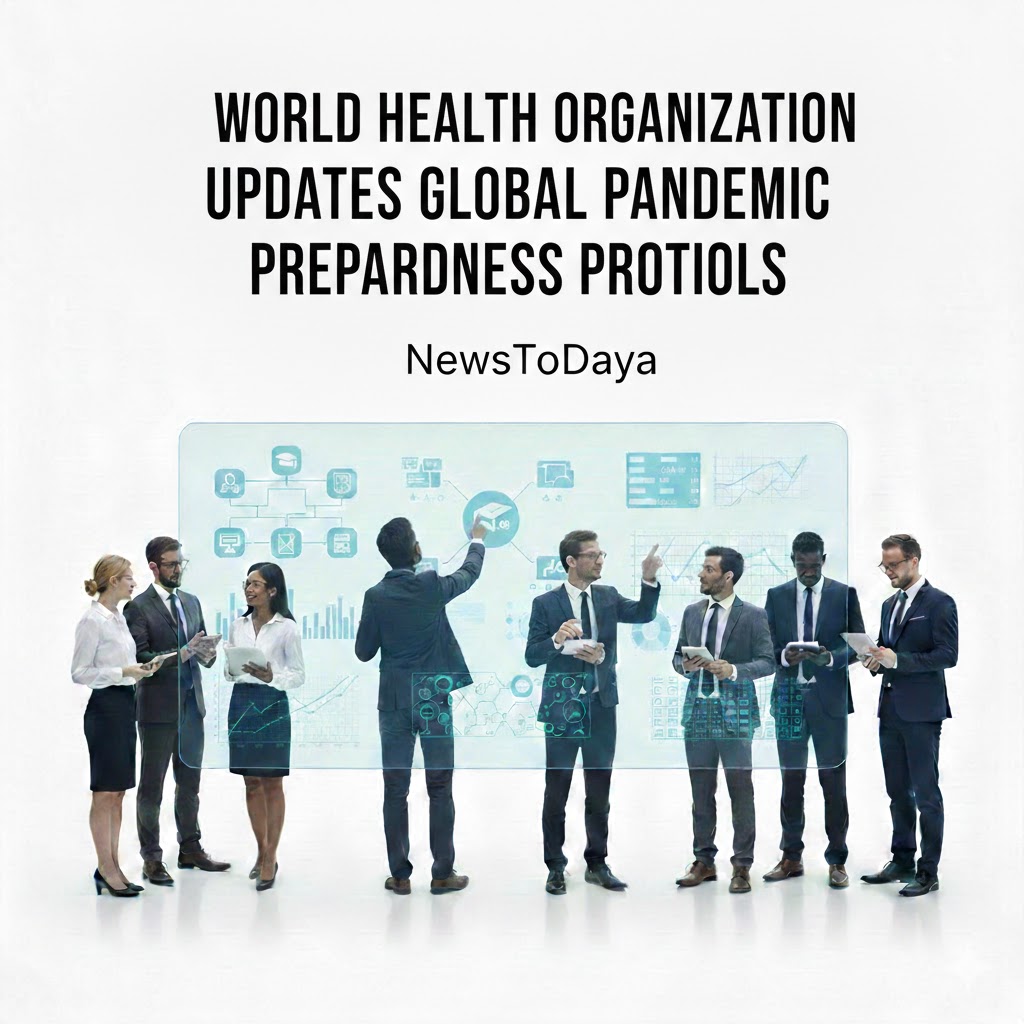
The World Health Organization has released updated global pandemic preparedness protocols, reflecting lessons learned from recent health emergencies and the evolving nature of infectious disease threats. These revised guidelines aim to help countries strengthen their readiness, improve coordination, and respond faster and more effectively when future outbreaks emerge. As the world becomes more interconnected through travel, trade, and digital communication, the risk of localized outbreaks turning into global crises has increased, making preparedness a shared international responsibility.
Why the New Protocols Were Needed
Over the past decade, global health systems have faced repeated stress tests. From large-scale pandemics to regional outbreaks of emerging diseases, gaps have become visible in surveillance, supply chains, communication strategies, and public trust. While many countries improved their healthcare infrastructure after recent crises, inconsistencies in preparedness levels remain a concern.
The updated protocols acknowledge that pandemics are no longer rare events. Climate change, urbanization, and increased human interaction with wildlife are accelerating the emergence of new pathogens. The World Health Organization has emphasized that preparedness must be proactive rather than reactive, focusing on prevention, early detection, and rapid response.
Stronger Global Surveillance and Early Warning Systems
One of the most significant updates centers on disease surveillance. The new protocols encourage countries to invest in real-time data sharing systems that can detect unusual health patterns early. This includes integrating hospital data, laboratory results, and community-level reporting into national and international surveillance networks.
By improving early warning systems, health authorities can identify potential outbreaks before they spread widely. The guidelines also highlight the importance of transparency, urging governments to report outbreaks promptly without fear of political or economic repercussions. Early disclosure, according to the World Health Organization, saves lives by enabling faster international support and containment measures.
Emphasis on Local Capacity Building
Another key focus of the updated preparedness framework is strengthening local healthcare capacity. While global coordination is essential, the first line of defense against any outbreak is the local health system. The protocols stress investment in primary healthcare, trained health workers, and well-equipped laboratories at regional and community levels.
Countries are encouraged to conduct regular preparedness assessments, simulation exercises, and workforce training programs. These measures help ensure that healthcare systems can scale up quickly during emergencies without collapsing under pressure. The guidelines also recognize that rural and underserved areas often face the greatest challenges and require targeted support.
Supply Chains and Stockpiling Essentials
Recent health crises exposed vulnerabilities in global supply chains, particularly for personal protective equipment, testing kits, medicines, and vaccines. The updated protocols call for diversified supply chains and regional manufacturing hubs to reduce dependence on a limited number of suppliers.
Strategic stockpiling is another major recommendation. Governments are advised to maintain and regularly audit reserves of essential medical supplies. The World Health Organization also promotes international cooperation to ensure fair distribution during emergencies, reducing competition and inequity between nations.
Risk Communication and Public Trust
Effective communication has emerged as a critical component of pandemic preparedness. The revised guidelines place strong emphasis on clear, consistent, and science-based public messaging. Misinformation and conflicting narratives can undermine response efforts, even when medical resources are available.
The protocols encourage authorities to engage with communities, civil society organizations, and local leaders to build trust before crises occur. Transparent communication about risks, uncertainties, and response measures helps people make informed decisions and increases compliance with public health guidance.
Integrating Technology and Innovation
The World Health Organization has also highlighted the growing role of technology in preparedness and response. Digital tools such as artificial intelligence, genomic sequencing, and telemedicine are now considered essential components of modern health systems.
The updated framework encourages countries to adopt digital contact tracing tools, enhance laboratory sequencing capabilities to track variants, and use data analytics to guide policy decisions. However, it also stresses the importance of ethical considerations, data privacy, and equitable access to technology.
Global Solidarity and Shared Responsibility
A central theme of the new protocols is global solidarity. Pandemics do not respect borders, and no country can protect itself in isolation. The World Health Organization calls on governments, international organizations, and the private sector to collaborate more closely on preparedness financing, research, and emergency response.
Low- and middle-income countries often face resource constraints that limit their preparedness efforts. The updated guidelines urge wealthier nations to support capacity-building initiatives, technology transfer, and sustainable financing mechanisms. This approach not only protects vulnerable populations but also reduces global risk.
Implications for Policy Makers and Health Systems
For policy makers, the updated preparedness protocols provide a clear roadmap for strengthening national health security. Governments are encouraged to align their policies with international standards, integrate health preparedness into broader development planning, and ensure sustained funding rather than short-term emergency spending.
Health systems are expected to move beyond crisis-mode thinking and adopt a continuous preparedness mindset. Regular evaluations, cross-sector coordination, and community engagement are no longer optional but essential components of effective pandemic readiness.
The Role of Media and Public Awareness
Accurate and timely information plays a crucial role in pandemic preparedness. Global news platforms help bridge the gap between complex policy decisions and public understanding. By reporting responsibly on health developments, media organizations can support informed debate and encourage accountability.
Platforms like NewsToDaya contribute by providing readers with clear explanations of global health policies and their real-world implications. As preparedness protocols evolve, staying informed becomes an important step for citizens, professionals, and decision makers alike.
Looking Ahead
The updated pandemic preparedness protocols mark an important step toward a safer and more resilient global health landscape. While guidelines alone cannot prevent future pandemics, they provide a strong foundation for coordinated action. The real challenge lies in implementation, sustained commitment, and international cooperation.
As countries review and adopt these recommendations, continued public engagement and transparent reporting will be essential. NewsToDaya will continue to track global health developments and policy shifts, ensuring readers stay informed about the actions shaping global preparedness and response efforts in an increasingly uncertain world.